
A Change Of Scenery Revisited

Years ago, I wrote about how long lenses give the photographer the ability to completely change the background of the image they’re working on while still behind the camera. With a slight move left, right, up or down, you can change the angle of your shot, and sometimes change the background elements that appear behind your subject. Because long lenses help blur the background into solid colors, this can change the look and mood of your photo without changing the main subject.

I’m always looking for these opportunities while photographing wildlife. Photo editors constantly seek variety, so when I’m on a bird, I try to get as many poses, expressions, and backgrounds as possible. I think of it like an outdoor “studio” session, giving me the ability to come up with scene changes for my subject. (I still haven’t figured out how to do wardrobe changes, but that is a topic for another post!)

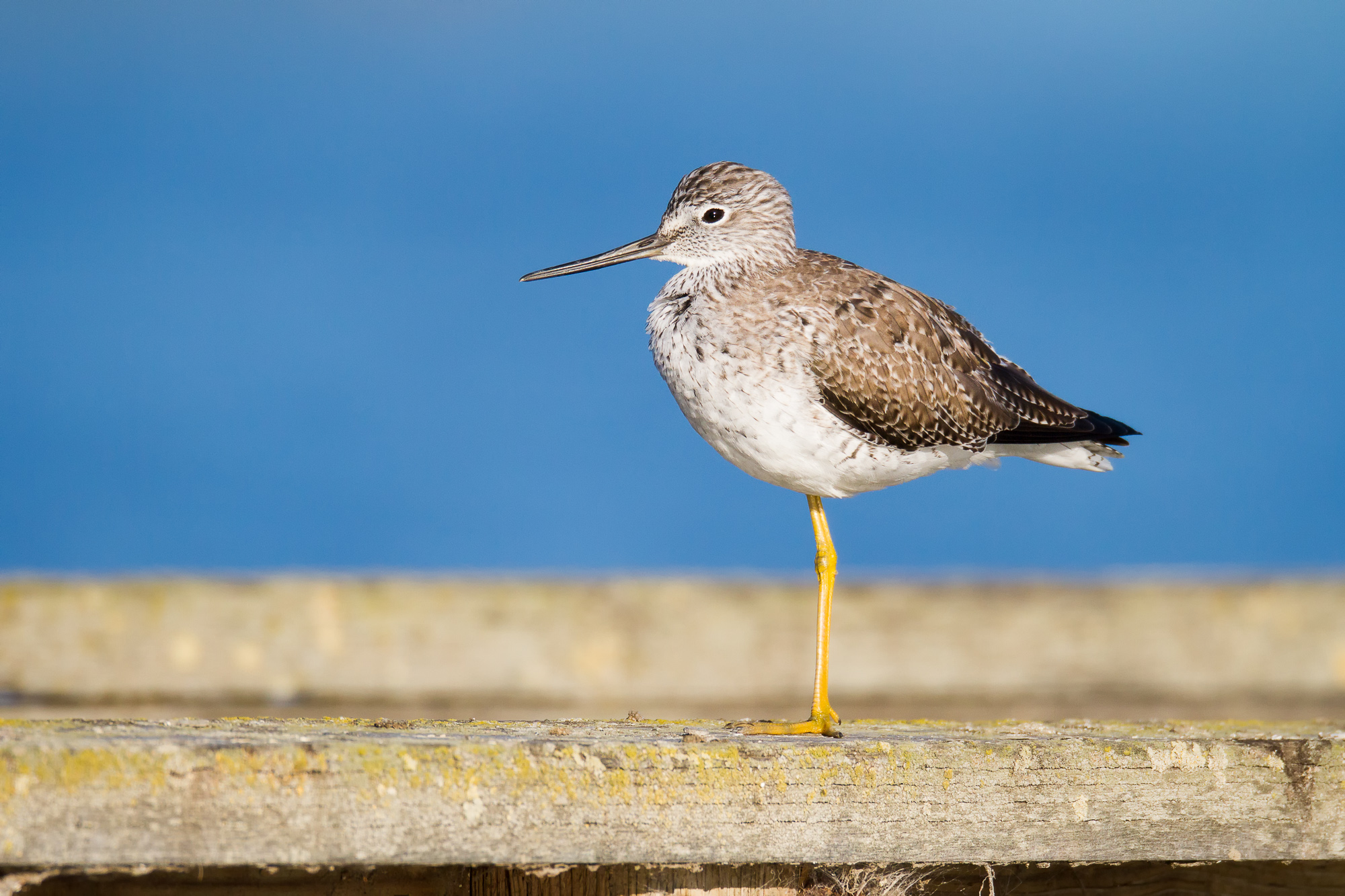
In the photos below, I first photographed the greater yellowlegs with the shoreline of a lake as the background. The background blurred to a nice tan-brown. I then changed my angle by swinging around to the left, and now the lake was behind the bird, coloring the background in a blue wash.
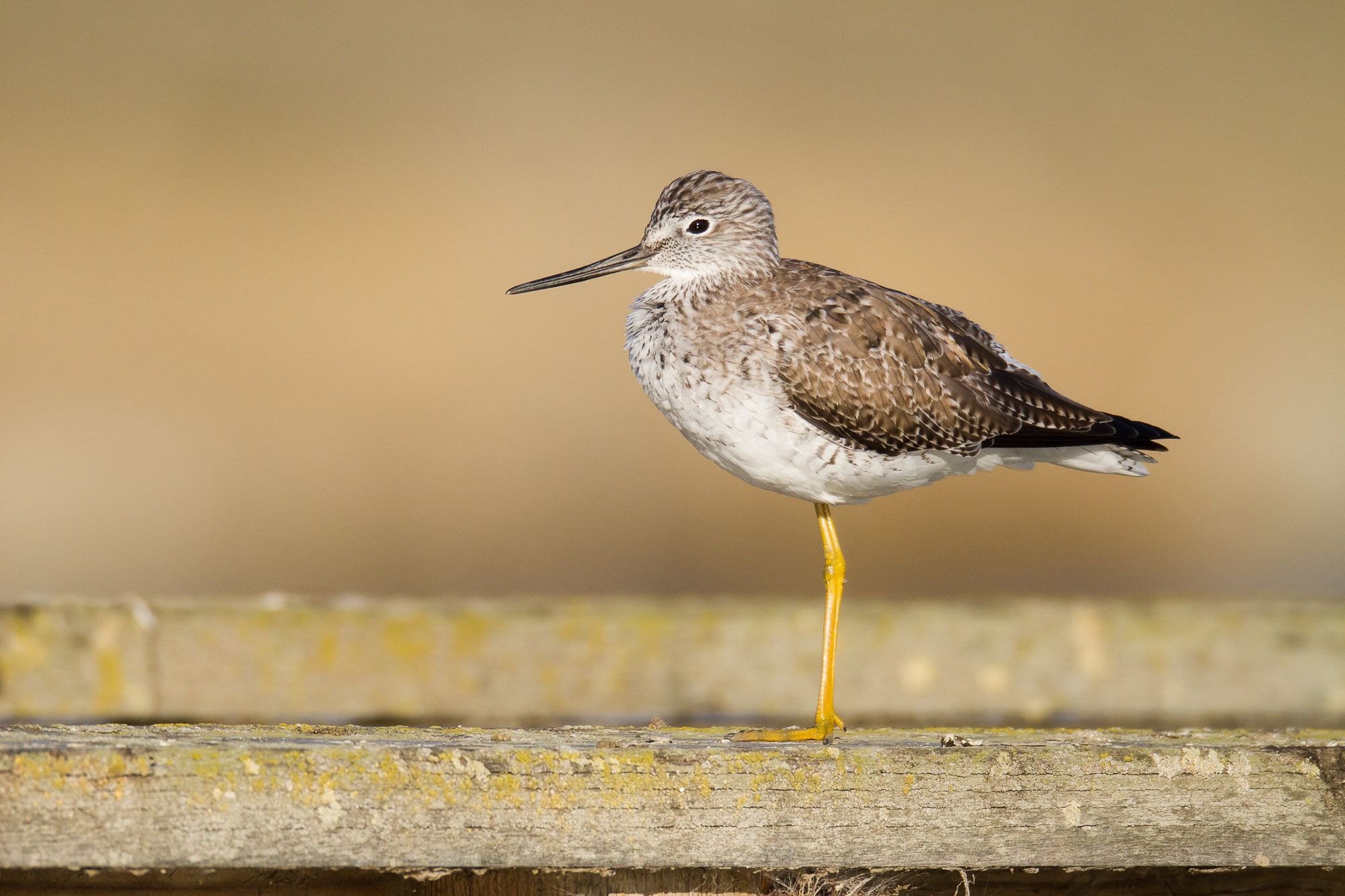
A greater yellowlegs stands on the railing of a dock.  The background color comes from a distant shoreline behind the dock.
A greater yellowlegs stands on the railing of a dock. The background color comes from a distant shoreline behind the dock.
A greater yellowlegs stands on the railing of a dock.  The background color comes from a lake behind the dock.
A greater yellowlegs stands on the railing of a dock. The background color comes from a lake behind the dock.

You can achieve similar color changes using reflection (and patience) as well. In the photos below, I didn’t change my position, but just waited for the bird to move instead. When I first photographed this pied-billed grebe, it was fishing and diving close to shore. The colors of the shoreline were reflected in the surface of the water, contributing dominant oranges to the photograph. I knew that this bird was likely to move away from the shore eventually, so I sat a waiting, hoping to capture that color variety. I didn’t have to wait long before this happened, with an added bonus of the grebe moving closer to me, filling my frame. The blue sky reflected off the water, giving the photo an entirely different look.
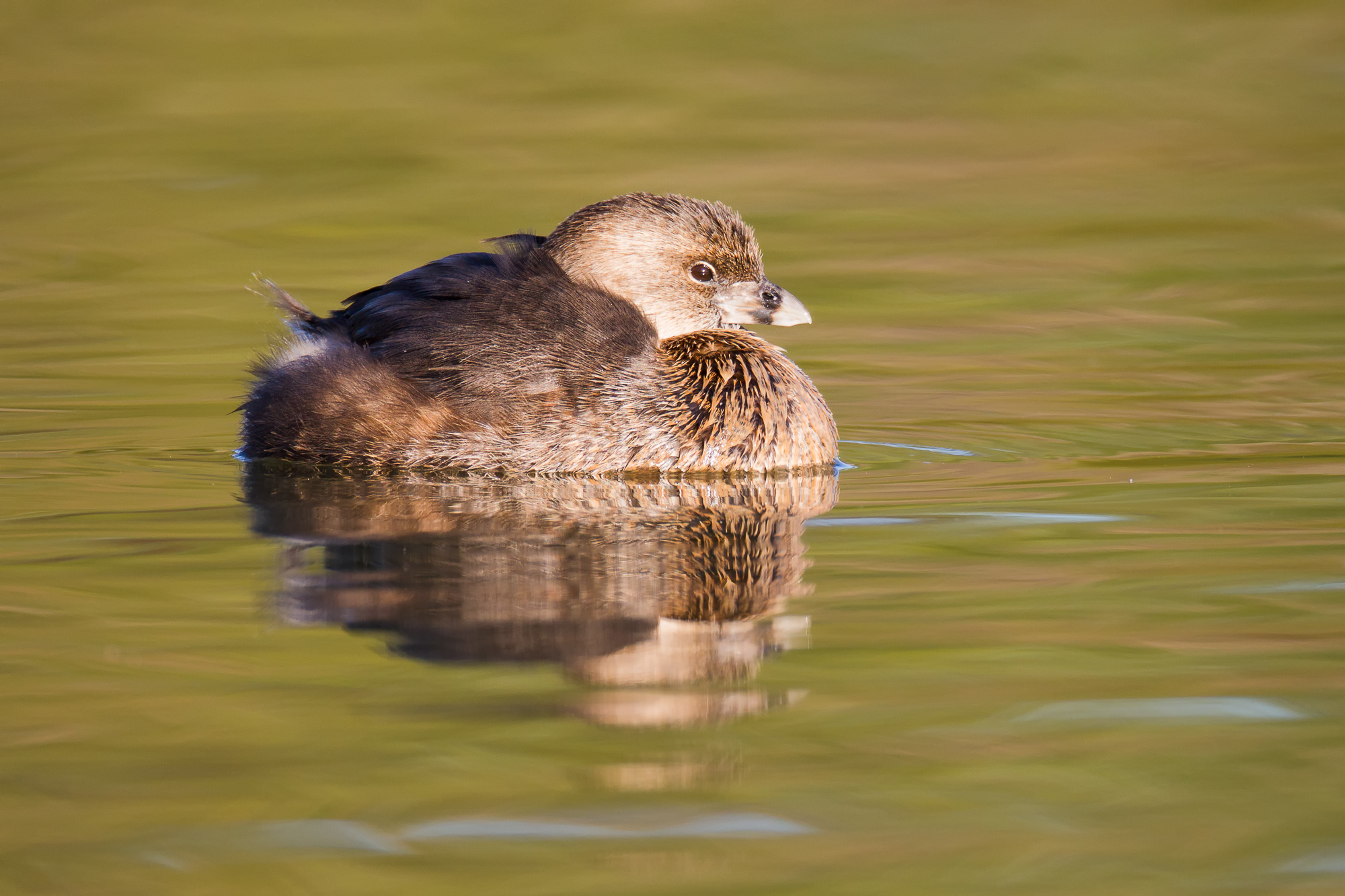
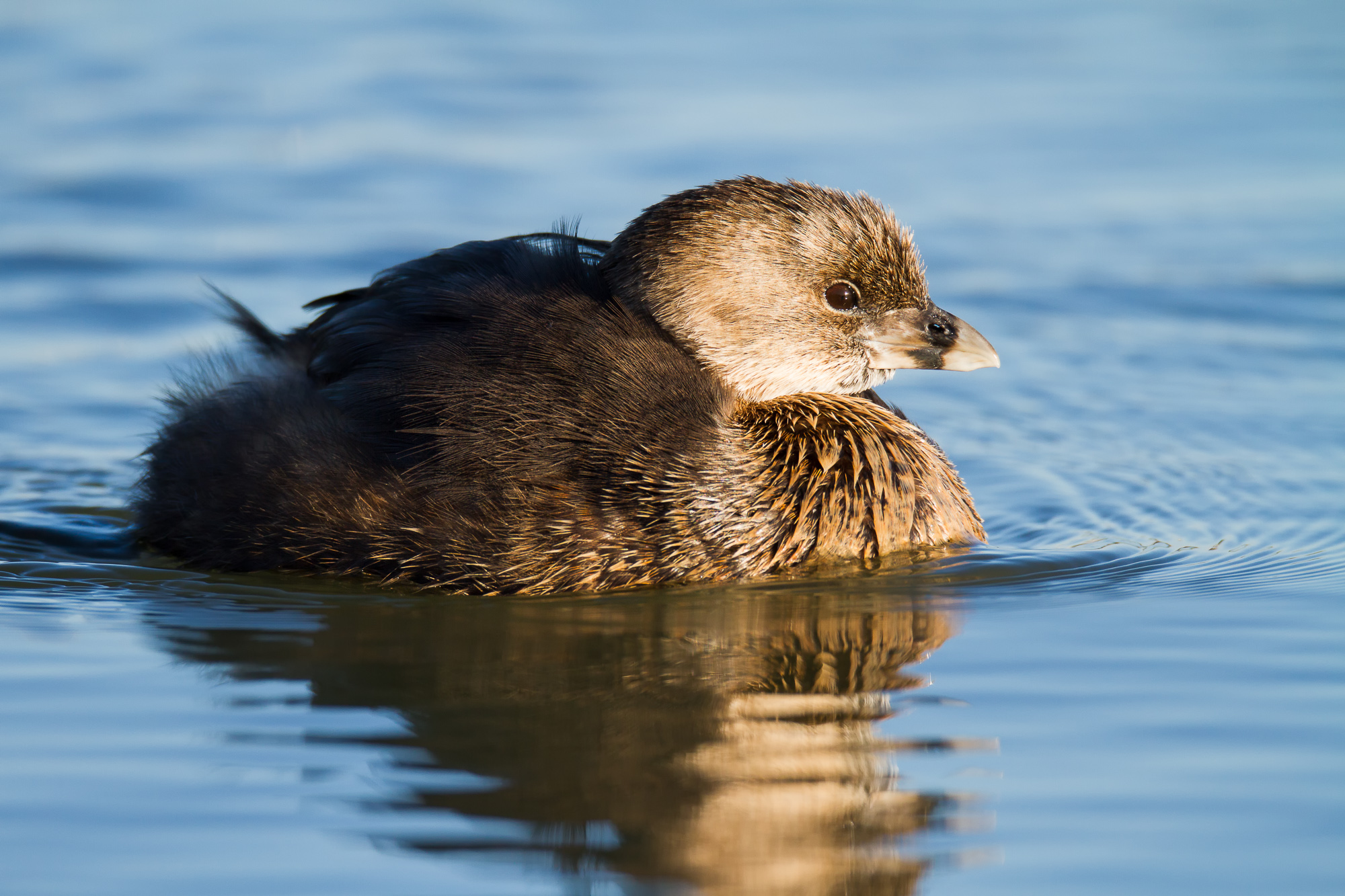
A pied-billed grebe is reflected in the still water near the shore of a lake.  The color reflected in the water comes from the nearby shore.
A pied-billed grebe is reflected in the still water near the shore of a lake. The color reflected in the water comes from the nearby shore.
A pied-billed grebe is reflected in the still water near the shore of a lake.  The color reflected in the water comes from the sky, turning it blue.
A pied-billed grebe is reflected in the still water near the shore of a lake. The color reflected in the water comes from the sky, turning it blue.

The next time you’re out photographing with a longer lens (depending on your subject, anything over 100mm can work well), think about trying different backgrounds with your subject. This works great on people pictures as well!

Conquering My White Whale

An american bittern stands in marshy grass and cranes its neck, looking for potential predators

After almost 15 fruitless attempts, I have finally photographed a local American Bittern that has been causing me grief. Time after time, I have gone to “the spot” without a trace of this bird, and time after time countless birders have reported seeing it, sometimes only an hour before or after my attempt. But I am happy to say that this ghost bird does indeed exist!

While not a rare species by any means, the bittern tends to be a secretive bird, often staying hidden within tall grasses and reeds. A few months ago, local birders began reporting seeing a bittern at Shoreline park in Mountain View, CA. I was excited about this opportunity, as I had never seen a bittern before and this location is relatively close to home. I soon found myself obsessed with finding this bird, half convinced that it would watch me approach in then dive into the bushes just to spite me.

Finally, yesterday, I succeeded in finding it after all those tries. I’m sure it felt more satisfying due to the difficulty – if I had found it the first time, I probably wouldn’t have been nearly as excited!

Upcoming Publication – Bay Nature Magazine

This photo of a striped skunk will appear in the upcoming April – June issue of Bay Nature, a quarterly magazine promoting the diversity of the natural world around the San Francisco Bay Area. The image will appear in an article about the art and science of tracking the wild creatures that populate our increasingly urbanized world.

A striped skunk poses for a portrait in pickleweed growing along the San Francisco Bay

You can read more about the capture of this image in an earlier post.

Monterey Bay Aquarium – Sandy Shore Exhibit

My favorite exhibit at the Monterey Bay Aquarium is the Sandy Shore Exhibit, a constructed habitat for a variety of local shorebirds, which for one reason or another have become captive and can no longer survive in the wild.

A sanderling rests in an injured bird care facility, Monterey Bay Aquarium

Here is a sanderling, which can be found up and down California’s coast. While they can be seen regularly roosting on the beach, it was great to be able to get up close and really appreciate each bird’s attributes.

I spoke to a docent at the exhibit, who said that many of these birds had been injured in the wild, and can not be rehabilitated to the point that they can be released. Others were born in captivity at zoos and other facilities, and made their way to the aquarium due to its excellent reputation.

A ruddy turnstone stands in sand in an injured bird care facility, Monterey Bay Aquarium

These birds receive excellent care, being given food, shelter, and even extra attention for their young. The birds were quite comfortable with the visitors moving through their habitat, and proceeded with their natural behavior. With no glass or obstruction between the viewer and the habitat, you were able to feel as if you were amongst the birds instead of just viewing them from a different environment.

A dunlin has a relatively easy life in an injured bird care facility, Monterey Bay Aquarium

In addition to the dunlin and ruddy turnstone above, which are regular San Francisco bay area residents, a black-bellied plover was present in its winter colors. This plover is one of those difficult species to identify that can look like a completely different bird in the summer verses the winter. As I have been learning to ID birds, I find myself needing to learn not only each species, but each plumage a species can display throughout the year.

A black-bellied plover in winter colors stands in a natural setting within an injured bird care facility, Monterey Bay Aquarium

I was able to get excellent views of a semipalmated plover, which I’ve had bad luck with in the wild. The few times I’ve seen one have been at such a distance as to make it not possible to photograph. While photographing captive birds doesn’t really “count” per se, I still enjoyed the opportunity to see one up close.

A banded semipalmated plover stands in sand in an injured bird care facility, Monterey Bay Aquarium

I would highly recommend a visit to the aquarium, particularly this exhibit. Captive animals can serve as a great means by which to practice photography, especially if you do not have long lenses in your arsenal. Most of the shots here were taken between 200 and 300mm, all hand held. I’ll be sure to get back there soon.