How To Win a Photo Contest (including a sneaky bonus tip)

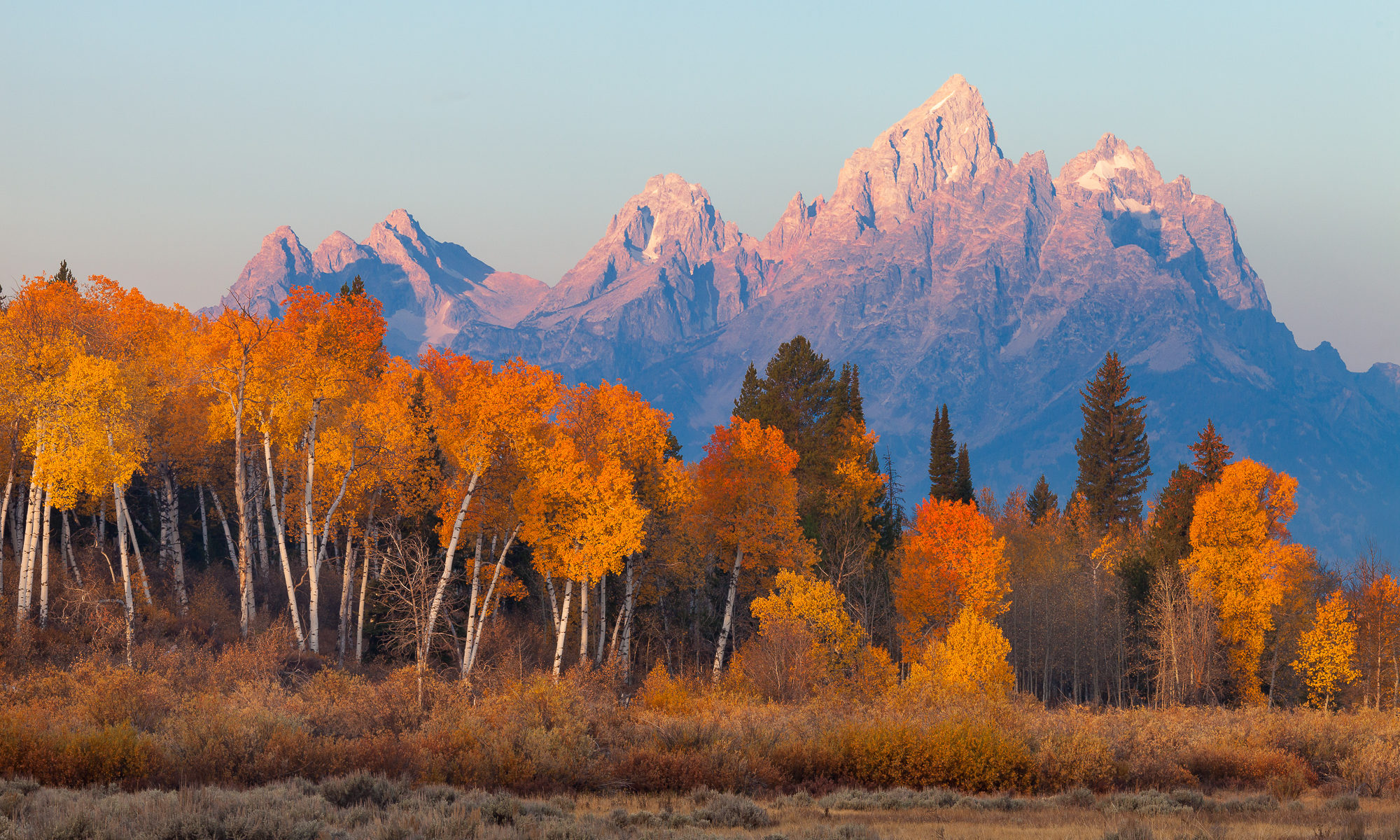
The sun just lights the top of the Tetons as it rises behind a grove of aspen in their fall colors, Grand Teton National Park

Recently I was asked to judge a photo contest for a small camera club. The skill levels of the participants ranged from beginner to advanced, and after viewing the wide variety of entries, I began to think about simple ways to increase anyone’s chance of winning. Follow some or all of the tips below to maximize your chances of your photos rising to the top of the heap. I’ve sprinkled in some photos that I’ve entered in previous photo contests.
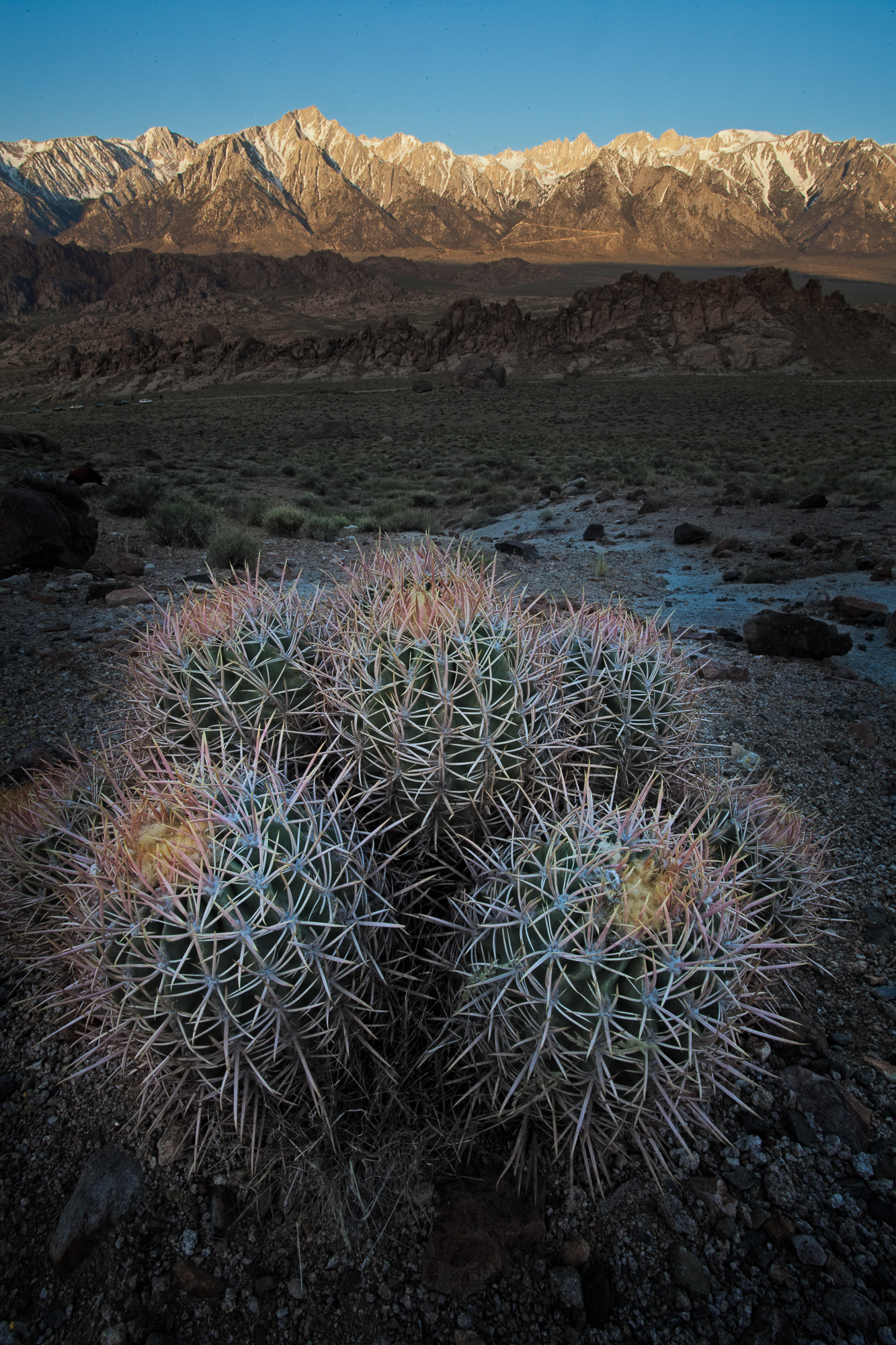
Barrel cactus is just starting to bloom in the Alabama Hills, Lone Pine, CA

Follow the theme

Got an absolutely amazing photo of the setting sun over the ocean? If the contest theme is fall colors, then its probably best to save that great shot for a more appropriate contest. Good judges will disqualify even stunning photographs if they don’t suit the theme of the contest. Along the same lines, make sure you pay attention to all the criteria. You don’t want to waste your time or the judge’s by submitting photos that will be technically disqualified.
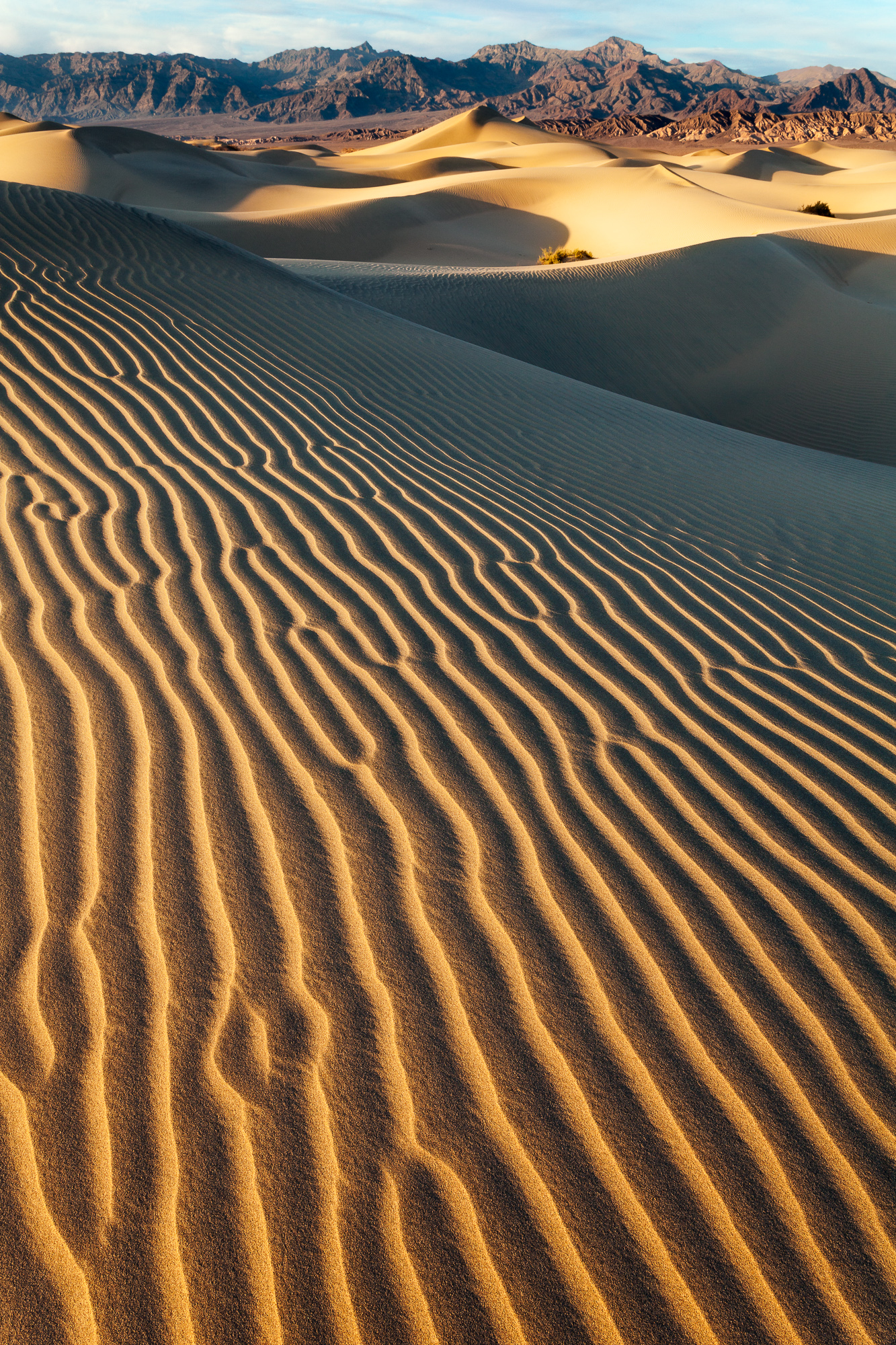
The Mesquite Dunes stretch across the valley just north of Stovepipe Wells, Death Valley National Park

Tell a story

Some contests provide an opportunity to fill in information about the photograph. If there is a description field, use it! But don’t just describe what the photo already shows visually. Rather, tell the story of how you captured the photo and what you were thinking when you clicked the shutter. This is your opportunity to “sell” the photograph to the judge, so use the space wisely. Any details you can provide about motivation, technique, or even processing can help cement the image in the judge’s mind so that it is remembered later.
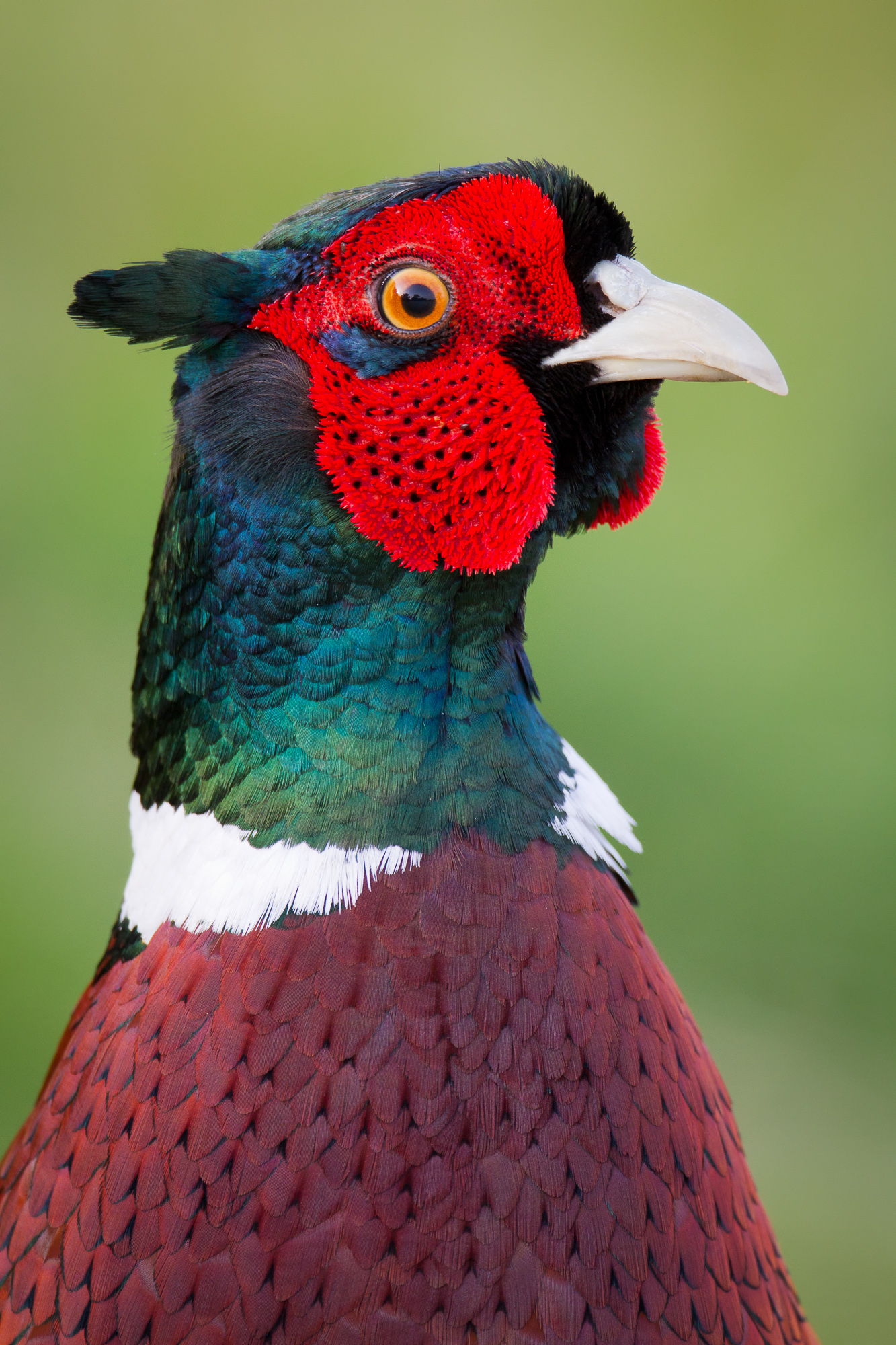
A male ring-necked pheasant cranes his neck in between bits of grass

Get independent opinions

It is always a good idea to ask your peers what they think about the photos you are considering for a contest. Gather a selection and ask your photo friends to act as judge. You might be surprised by their choices. In the past, I’ve gravitated toward photographs that I’ve spent a lot of effort taking and processing, and that has influenced too much what I thought of it, regardless of whether it was actually a good photograph or not. Asking for others’ opinions can help prevent your personal skewing of a photograph’s merit based on the effort it took to produce it.
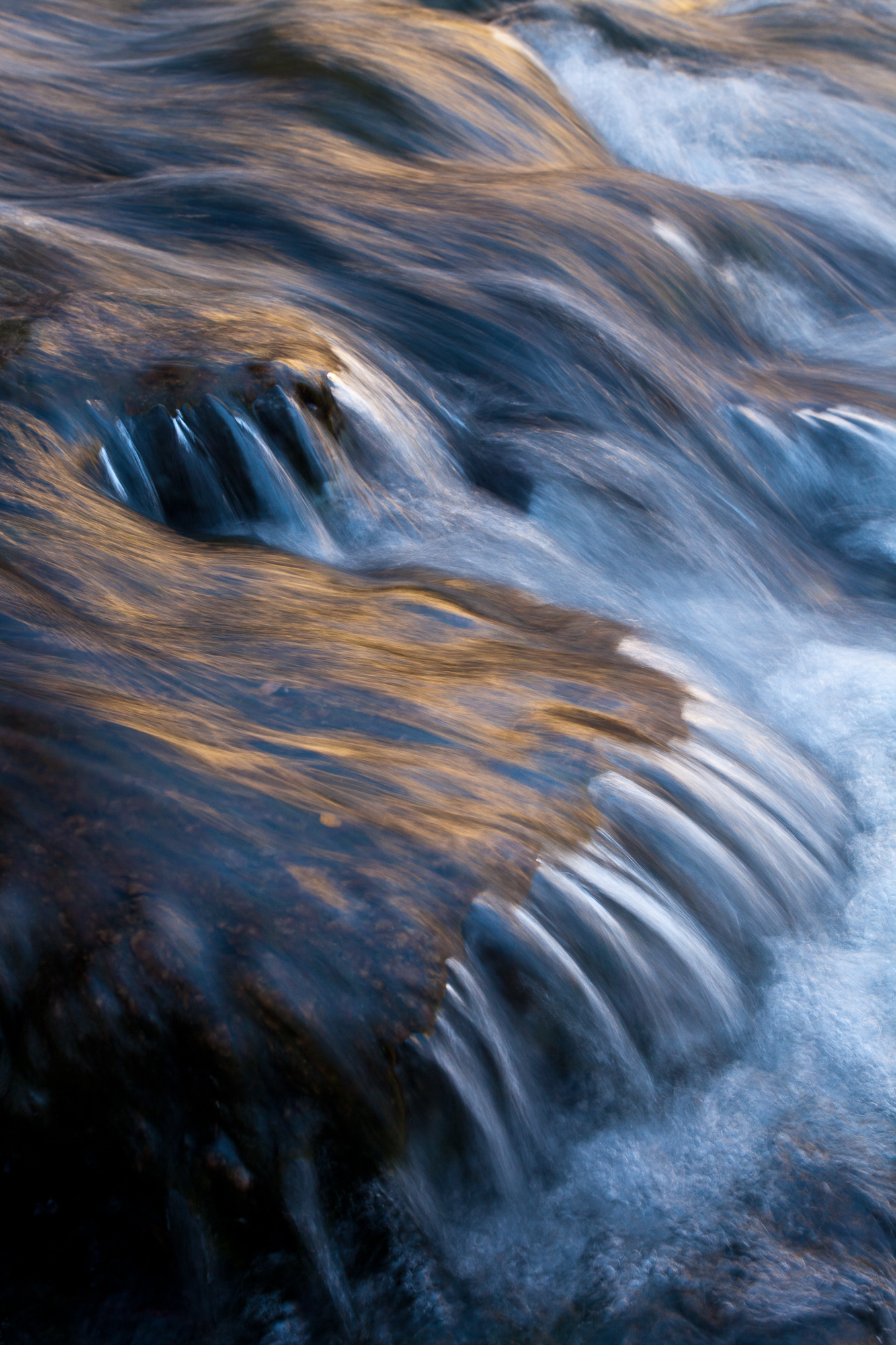
Silken water reflects the gold colors of fall, South Fork Bishop Creek, Inyo National Forest, CA

Point your subject into your frame (not out of it)

Whether your photograph is of a person, animal, or even mountain, it is always more aesthetically pleasing to have the subject face into the frame. That means there is more space in front of the head than behind it. The same is true for direction of motion – if an animal is walking or running, put more space in front of it than behind. So what about the mountain? Most mountains (or trees, or clouds, or …) seem to point in one direction or another. Put more space in front of the direction it is pointing than behind it. Of course, many rules are made to be broken, and sometime going counter to the rule can add a lot of tension to the photograph. But make sure that the judge will recognize and receive that tension well.
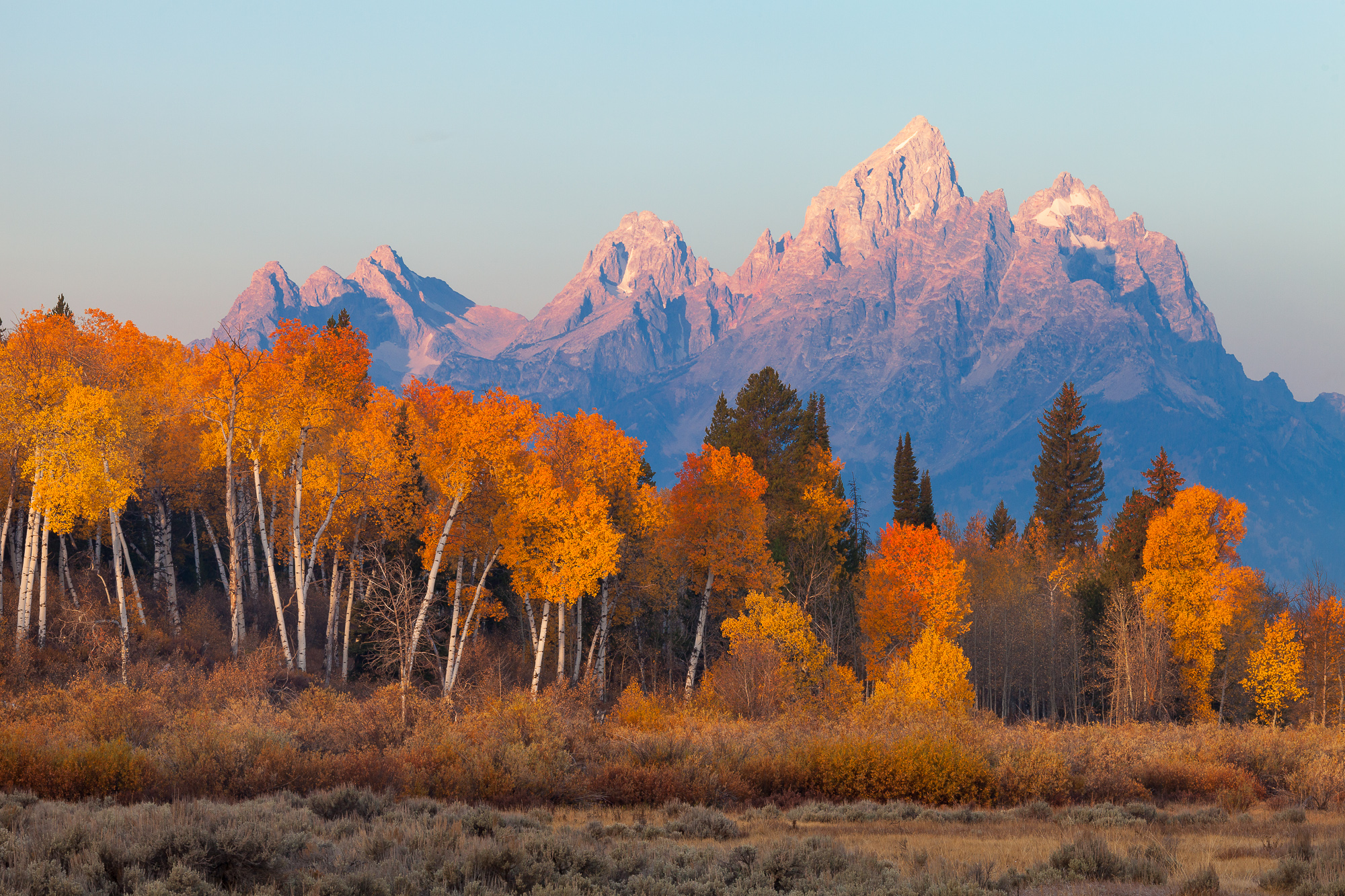
The sun just lights the top of the Tetons as it rises behind a grove of aspen in their fall colors, Grand Teton National Park

Avoid converging lines

Find plenty of separation between your photograph’s main elements and avoid converging lines. Space between major subjects helps the photo breath, and convergence can create unintended tension points and generally looks sloppy. Usually converging lines can be solved in the field by moving your camera forward, backward, side to side, or up or down. Try to find the right perspective that when flattened into a two dimensional photograph, leads the viewer easily through the frame.
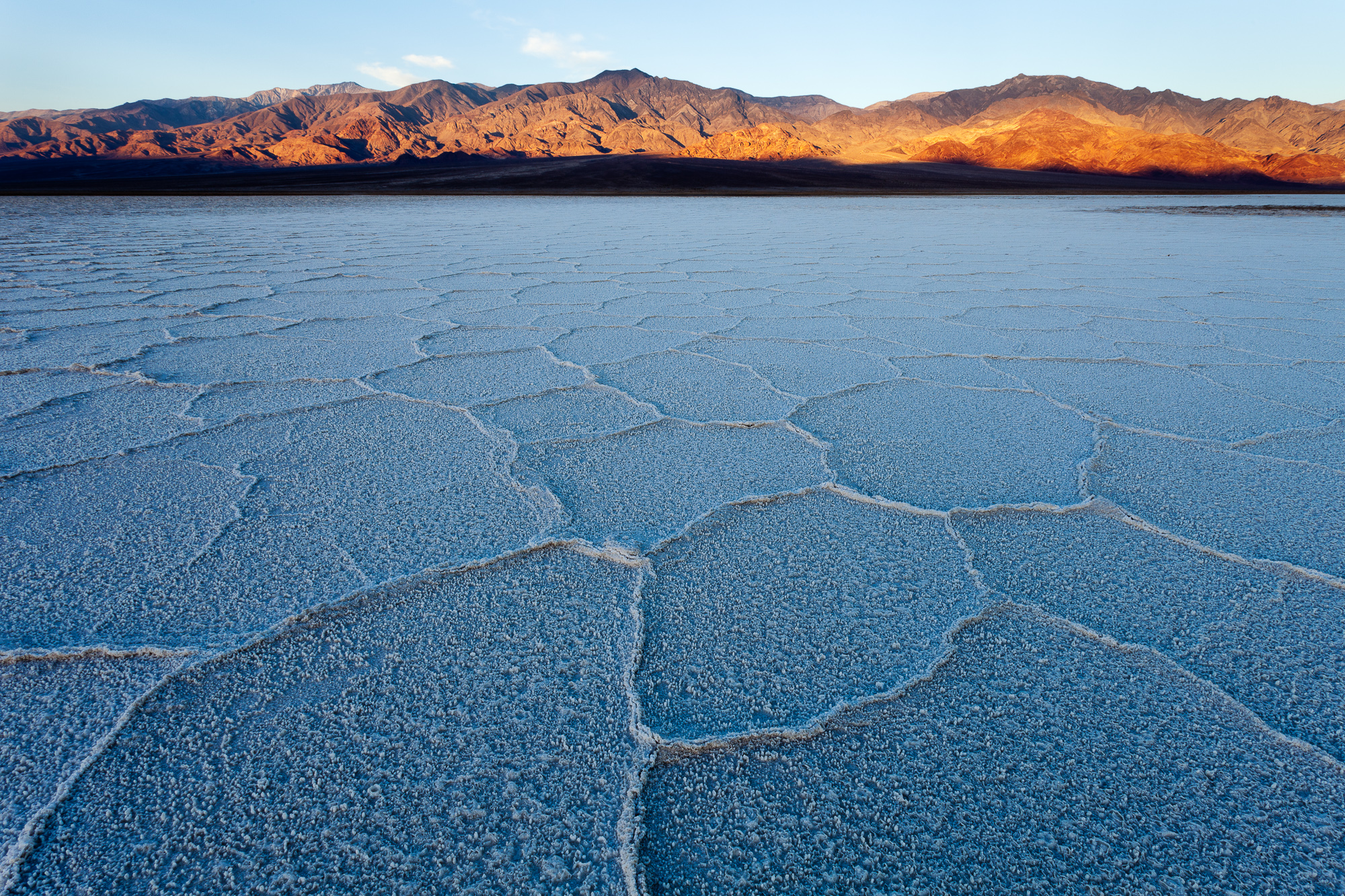
Sunlight moves down the mountains to the west of Salt Creek, now a dried salt flat, Death Valley National Park

And now for the sneaky bonus tip….

Get to know your judges

If possible, try to find out who is judging the contest. Some contests will publish this information outright; others you might have to dig around a bit. Spend a little bit of internet time finding out more about the judges and what style of photography they gravitate toward. Have they judged a contest before? Which images did they choose previously? Chances are they will judge the current contest based on similar criteria. If the contest is judged by a panel, try to contribute at least one photo that matches each judge’s personal style and tastes. This may seem like cheating, but any leg you can get up on the competition is a worthy pursuit.
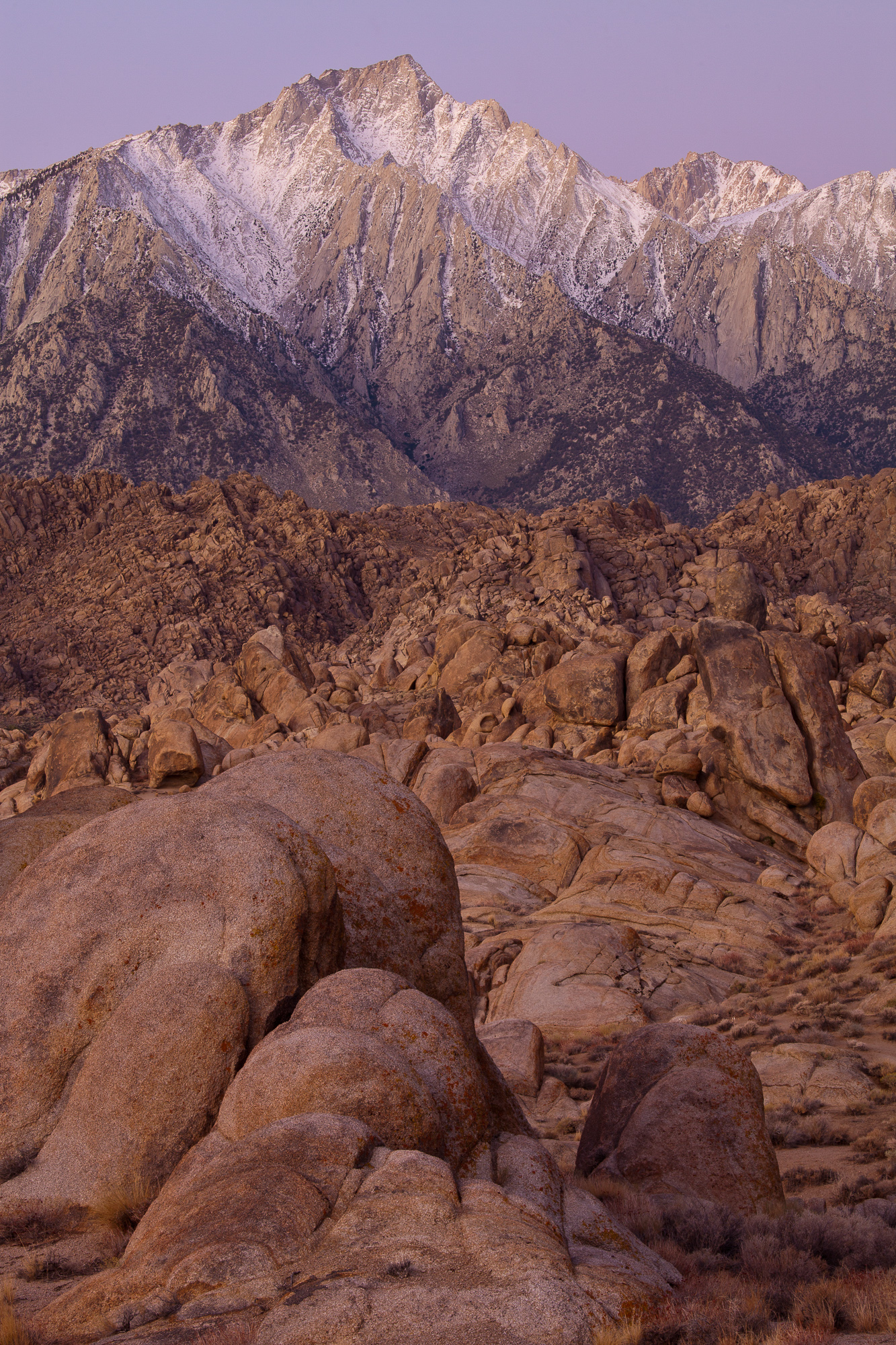
Dawn begins to light Lone Pine Peak and the wild rock formations of the Alabama Hills

Hopefully these tips get you thinking about photo selection and photo taking for the next contest that you consider entering. This can help you maximize you time, effort, and money!

Using Adobe Slate For Mobile Stories

Adobe just released a photo and text composition app called Slate. Its purpose is to allow quick and easy creation of stories composed of photos and text. I decided to give it a try, and created a post about the color diversity of Death Valley National Park. Click here to give it a try. It is optimized for mobile, so be sure to try it on your phone or tablet. Let me know what you think in the comments below. Want to see more posts in this format, or is a simple blog post more accessible?

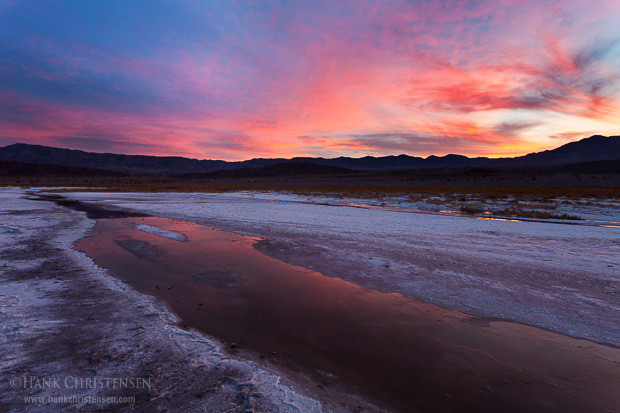
Dawn breaks over a basin of rivulets winding through salt flats, Death Valley National Park

2014 Round-up – Top 40 Photos Of The Year

After a bit of thought, I have compiled my top 40 picks from the last 12 months. I selected from a variety of outings and types of photography, ranging from landscape, to wildlife, to pet photography. Unfortunately, 2014 was not the year I caught up on my backlog of photos waiting to be processed, so this list was not selected from all of my 2014 photographs (you’ll have to wait till next year’s round-up for those!)

This year included a fantastic fall color photo trip to the San Juan mountains in Colorado, as well as visits to the Sierra Nevada and of course many bird photographs, including some previously unpublished.

Please enjoy the gallery below. For best viewing (especially if viewing on a mobile device), please click on the following photo:

Gem lies on the floor, fast asleep

Or, just enjoy the gallery here on the page. To view larger photos in the embedded gallery below, click here to enter full screen mode.


If you are interested in compilations from previous years, please see the 2010, 2011, 2012, and 2013 lists.

Recent Publication – Backpacker Magazine

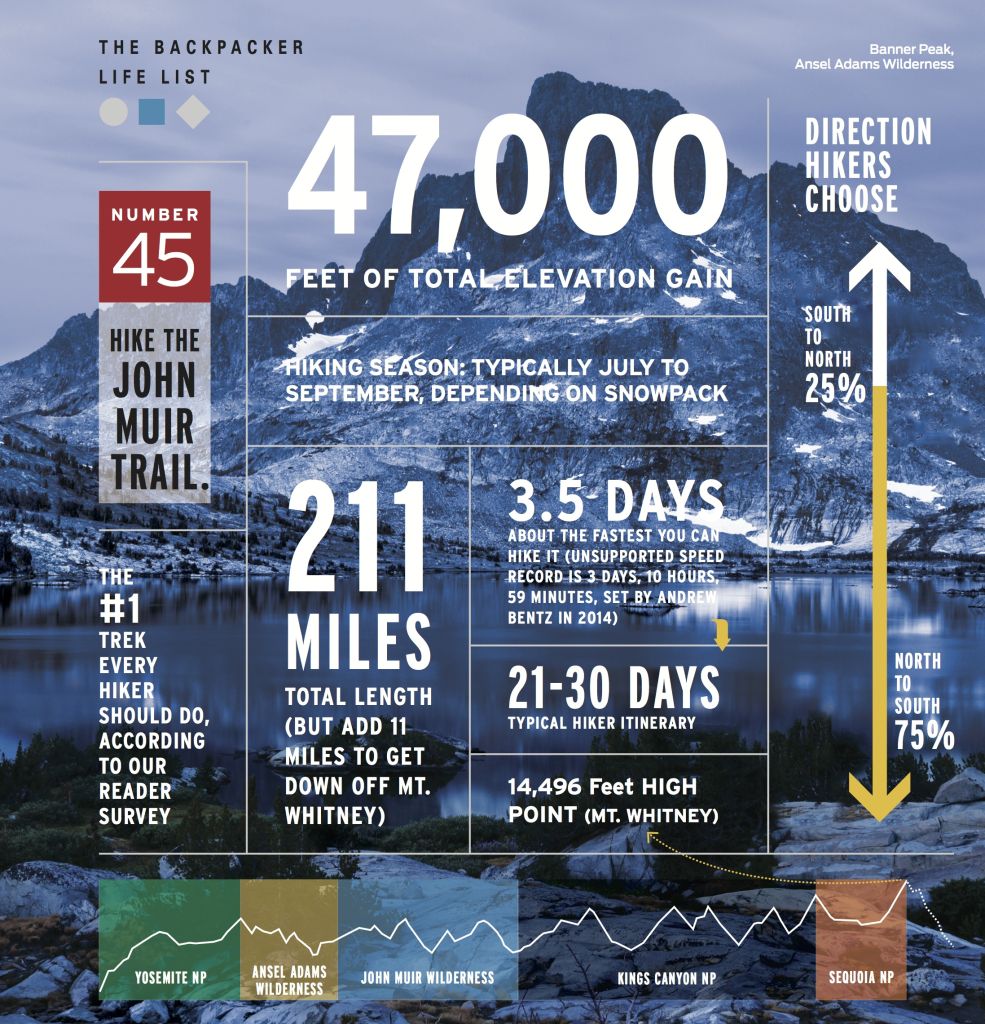
Backpacker Magazine used one of my images of Banner Peak and Thousand Island Lake for an infographic about the John Muir Trail, January 2015 Issue.

Backpacker Magazine used one of my images of Thousand Island Lake in the Ansel Adams Wilderness to create an infographic of the John Muir Trail. The image appears in the January 2015 issue.

There are a couple of nice aspects to this particular publishing. First, the image takes up almost an entire page (in the world of magazine publishing, size does matter!) Second, it was great to have something positive come out of the JMT trip that never really got going.

This image was taken on the last morning before my friend Steve and I had to bail out of the trail. With a 19 day hike planned, we only lasted 3 days on the trail before we were forced to evacuate because of torrential rains.

Dawn breaks over Banner Peak and Thousand Island Lake, Ansel Adams Wilderness

Here is the image without all the text. It was probably chosen because of its subdued nature – if it had been a vibrant sunrise, it likely would not have been used for such a purpose.

Copyright 2017 Hank Christensen