California’s Newest National Park – Pinnacles

Legislation to make Pinnacles National Monument a national park passed the United States Senate on December 30, 2012

Recently I made my way down to the newly minted Pinnacles National Park, California’s ninth. Legislation to make Pinnacles National Monument a national park passed the United States Senate on December 30, 2012. Located just southeast of Hollister, it is an easy day trip from the San Francisco Bay Area.

A California Condor perches on a branch in front of a rock wall, Pinnacles National Park

This area is known for being a possible location to spot the rare and endangered California Condor. At present, there are only 226 total California Condors in the wild. The species was nearly decimated in the 60s and 70s with the introduction of DDT into the environment. In fact, in 1987, there were only 22 condors left in the world, all of them in captivity. I was amazingly lucky to see one perched close to a trail, offering point blank views for several minutes.

A California Condor perches on a branch in front of a rock wall, Pinnacles National Park

Unfortunately, I was in the middle of a 5 mile hike with some serious elevation, which meant carrying my big lens wasn’t appropriate. I had a full frame camera, with a 70-200mm lens attached. Luckily, I was helped by both the close proximity of the bird, and its sheer size. They have a wingspan of up to 10 feet, giving them the largest wingspan of any North American bird. Some of the larger specimens have weighed in at 31 pounds.

Pinnacles National Park features many rock spires dotting the landscape. The Pinnacles are part of the Neenach Volcano which erupted 23 million years ago near present-day Lancaster, California. The movement of the Pacific Plate along the San Andreas Fault split a section of rock off from the main body of the volcano and moved it 195 miles to the northwest.

As far as national parks go, Pinnacles is very small. However, it contains some important and interesting geological history. The Pinnacles are part of the Neenach Volcano which erupted 23 million years ago near present-day Lancaster, California. The movement of the Pacific Plate along the San Andreas Fault split a section of rock off from the main body of the volcano and moved it 195 miles to the northwest.

Light steams down through the ceiling at the entrance to Bear Gulch Cave, Pinnacles National Park

The park is home to several talus caves, which are home to at least 13 different species of bat. Trails are built through the caves and can be explored by flashlight.

It would probably take two full days to explore the highlights of this park (and by explore, I mean including several lengthy hikes to hit some of the peaks). Spring seems like a great time of year – try to catch the wildflowers in bloom. Summer would likely be too hot, easily reaching over 100 degrees. It will be interesting to see if visitation increases due to its new “promoted” status from a monument to a park.
Going Macro With A Big Lens

Don’t get me wrong – I love my big lens. My primary lens for bird photography is the Canon 800mm, which serves as a real workhorse. However, there are times while using that lens that I get frustrated. One of the lens’ limiting factors is its minimum focus distance. I can’t bring any subject closer than 16 feet into focus, which means that very small things (for example, hummingbirds) still appear fairly small in frame. What to do about this limitation? Enter the extension tube!

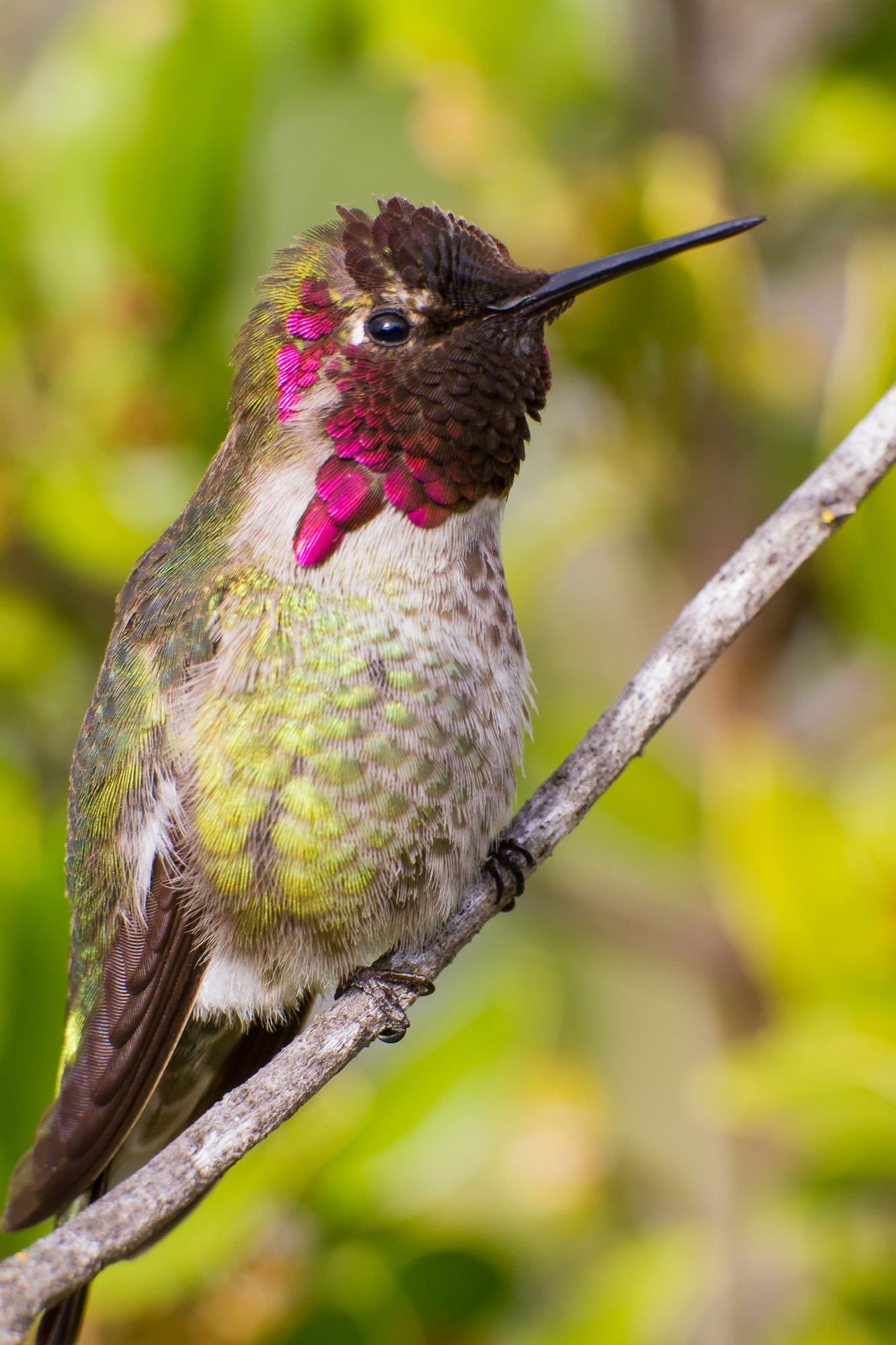
An anna's hummingbird pauses from its rapid flight to warm itself in the sun
An anna’s hummingbird pauses from its rapid flight to warm itself in the sun

Recently I took an out of town colleague to some of my favorite local bird sites. We found an area rife with anna’s hummingbirds, zipping this way and that, and generally causing a ruckus as they battled each other over territory. I took some shots, but couldn’t get close enough to these little creatures to fill the frame. I resolved to come back the following day, this time armed with my full array of extension tubes.

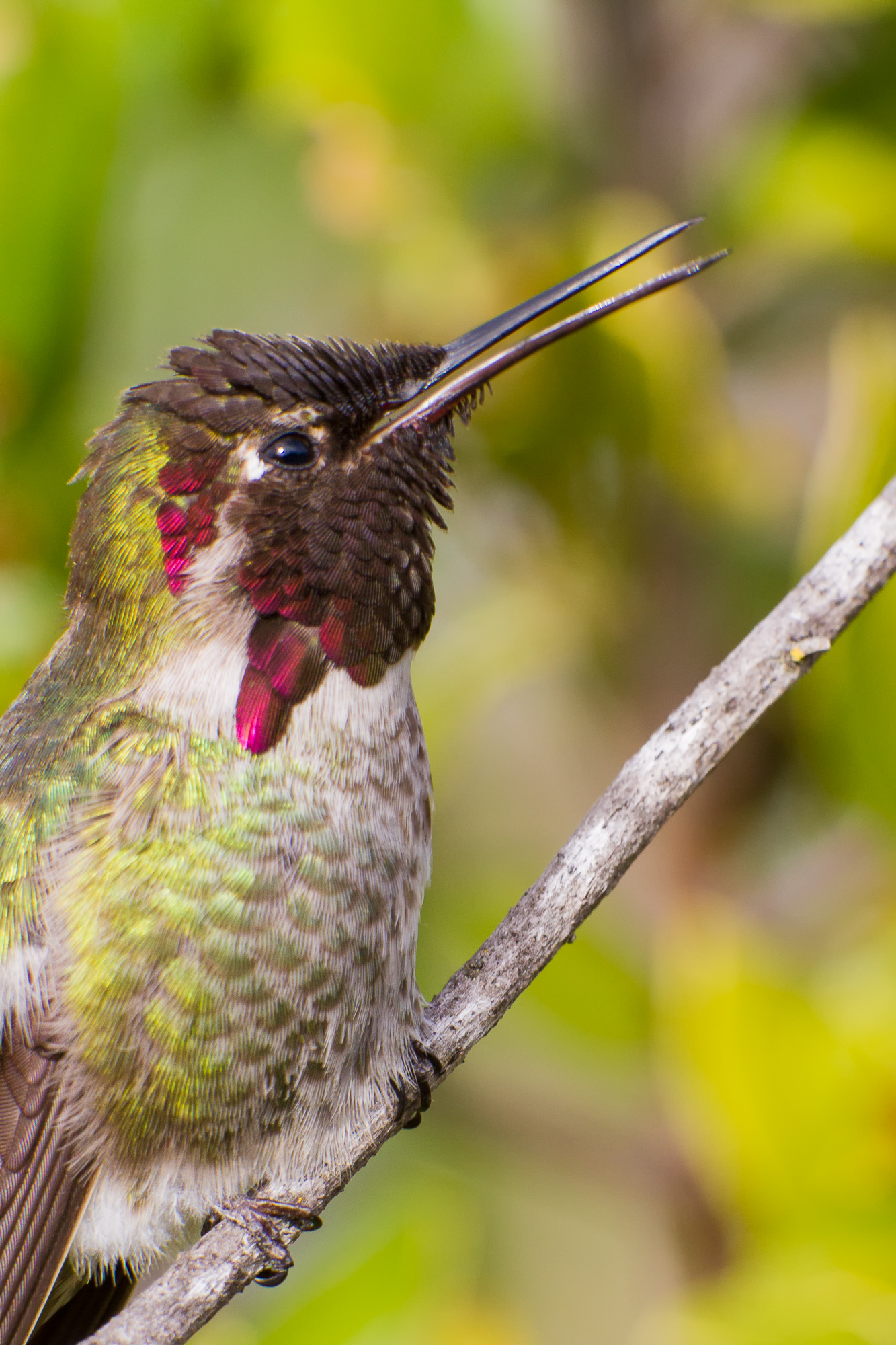
Luckily the hummingbirds were still there, sparring and resting, and this time in beautiful light. I wanted to get as close as possible, so I stacked three tubes together and placed them in between my camera body and lens. This allowed me to get as close as about 10-12 feet away from the birds, finally filling my frame. Creeping closer yet, I wanted to push my extension tubes to their limit, and was able to get the image below.

An anna's hummingbird perches on a small branch and opens its beak
An anna’s hummingbird perches on a small branch and opens its beak

Extension tubes have no optics in them, and can even be in the form of cardboard – no electronics required! My tubes happen to have small contacts that still allow me to use my lens’ autofocus system, albeit much slower than normal.

The principal of an extension tube is to move the rear focusing element of the lens further away from the focal point, which in today’s world means the camera’s digital sensor. The effect is that the lens’ minimum focus distance is reduced, allowing the entire rig to move closer to the subject while keeping it in focus. The downside is that with extension tubes attached, the lens will no longer be able to focus to infinity.

In comparison to most photography gear, extension tubes are relatively cheap. I have a set of Kenko tubes that stack together. If you ever want to dabble in macro photography, I recommend first getting a (cheap) set to tubes before spending bigger bucks on dedicated macro lens. Yes, the macro lens will give you better quality, but a set of extension tubes will allow you to bring your entire collection of lenses into the macro world.

A Change Of Scenery Revisited

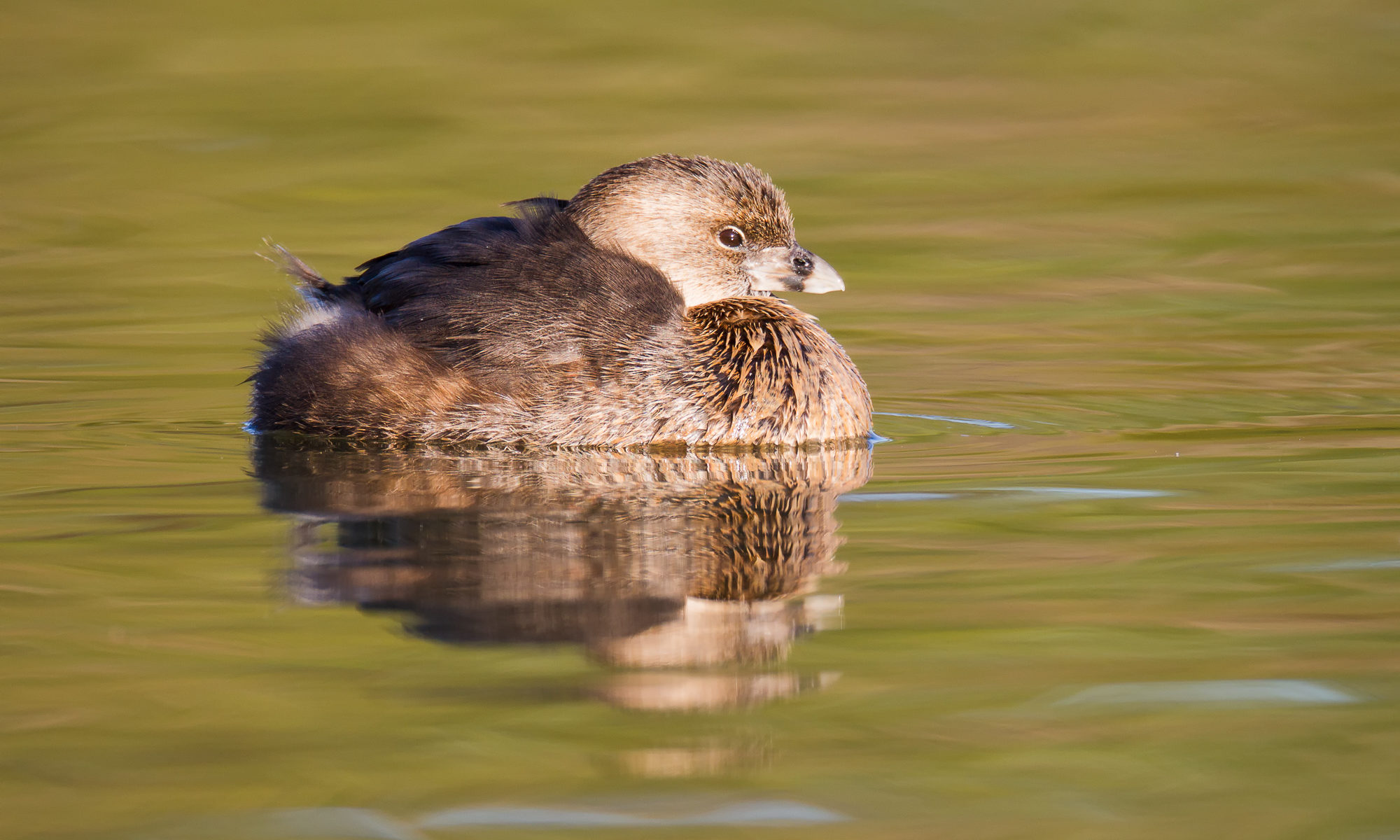
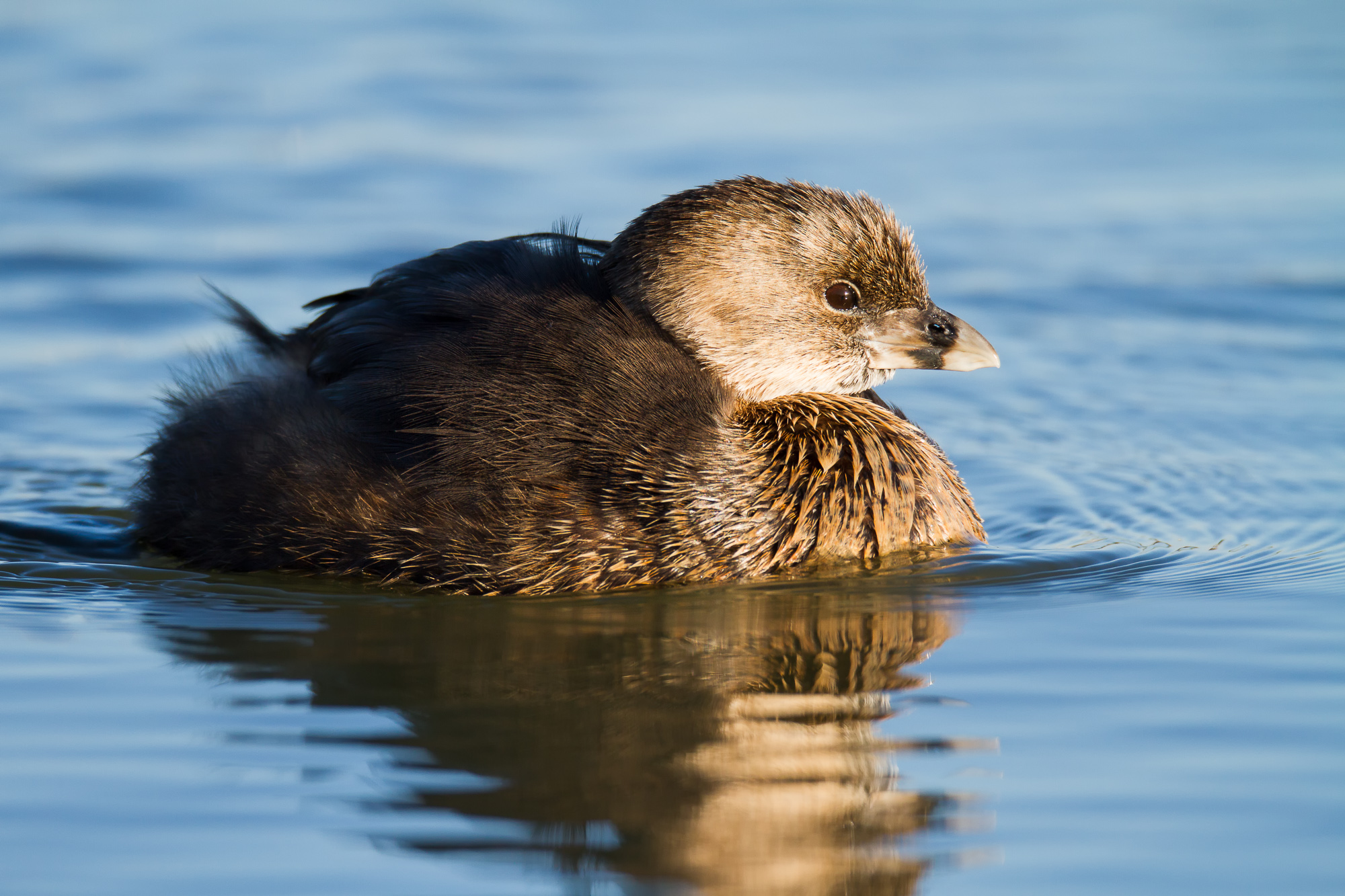
A pied-billed grebe is reflected in the still water near the shore of a lake. The color reflected in the water comes from the nearby shore.

Years ago, I wrote about how long lenses give the photographer the ability to completely change the background of the image they’re working on while still behind the camera. With a slight move left, right, up or down, you can change the angle of your shot, and sometimes change the background elements that appear behind your subject. Because long lenses help blur the background into solid colors, this can change the look and mood of your photo without changing the main subject.

I’m always looking for these opportunities while photographing wildlife. Photo editors constantly seek variety, so when I’m on a bird, I try to get as many poses, expressions, and backgrounds as possible. I think of it like an outdoor “studio” session, giving me the ability to come up with scene changes for my subject. (I still haven’t figured out how to do wardrobe changes, but that is a topic for another post!)

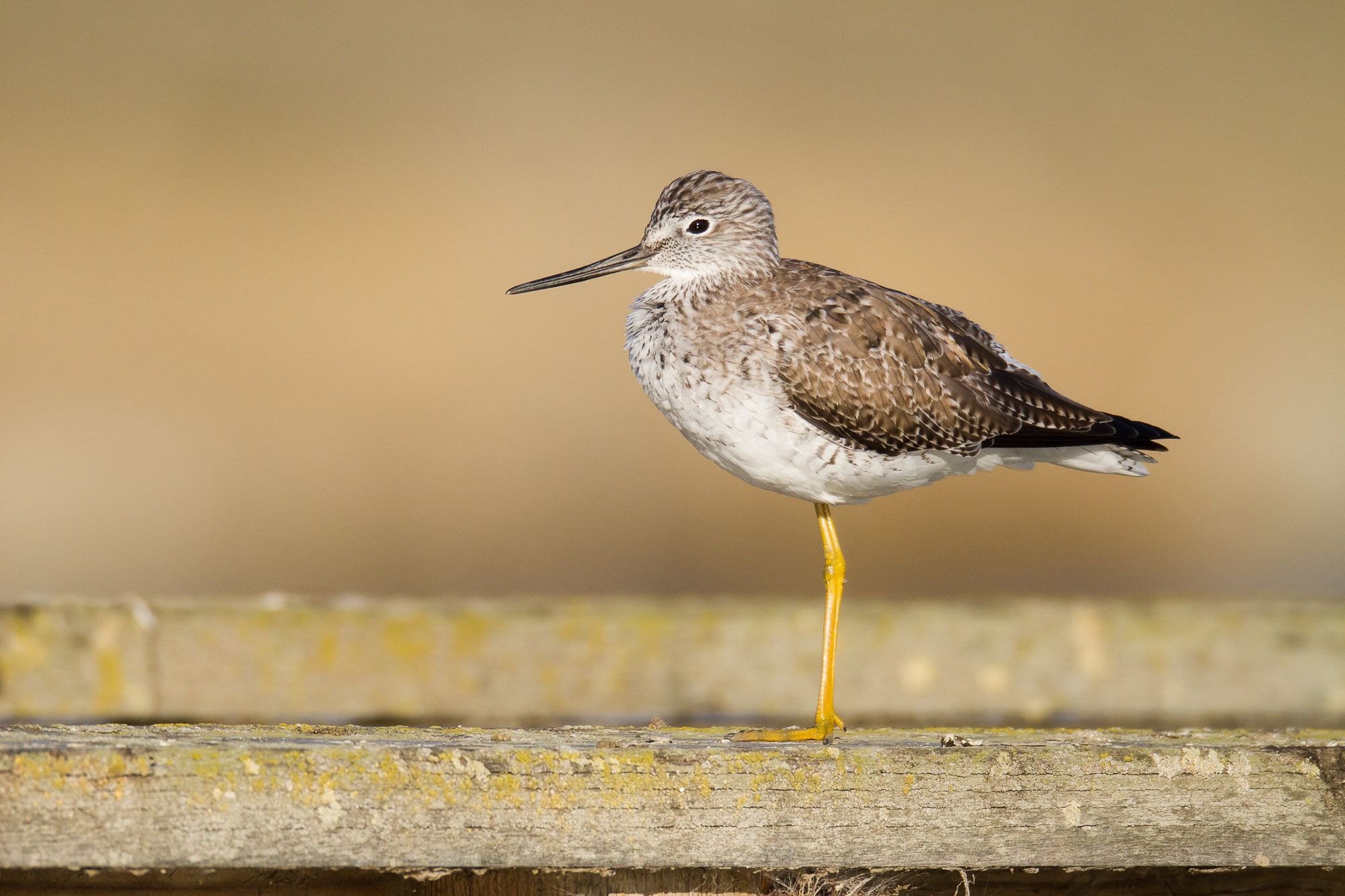
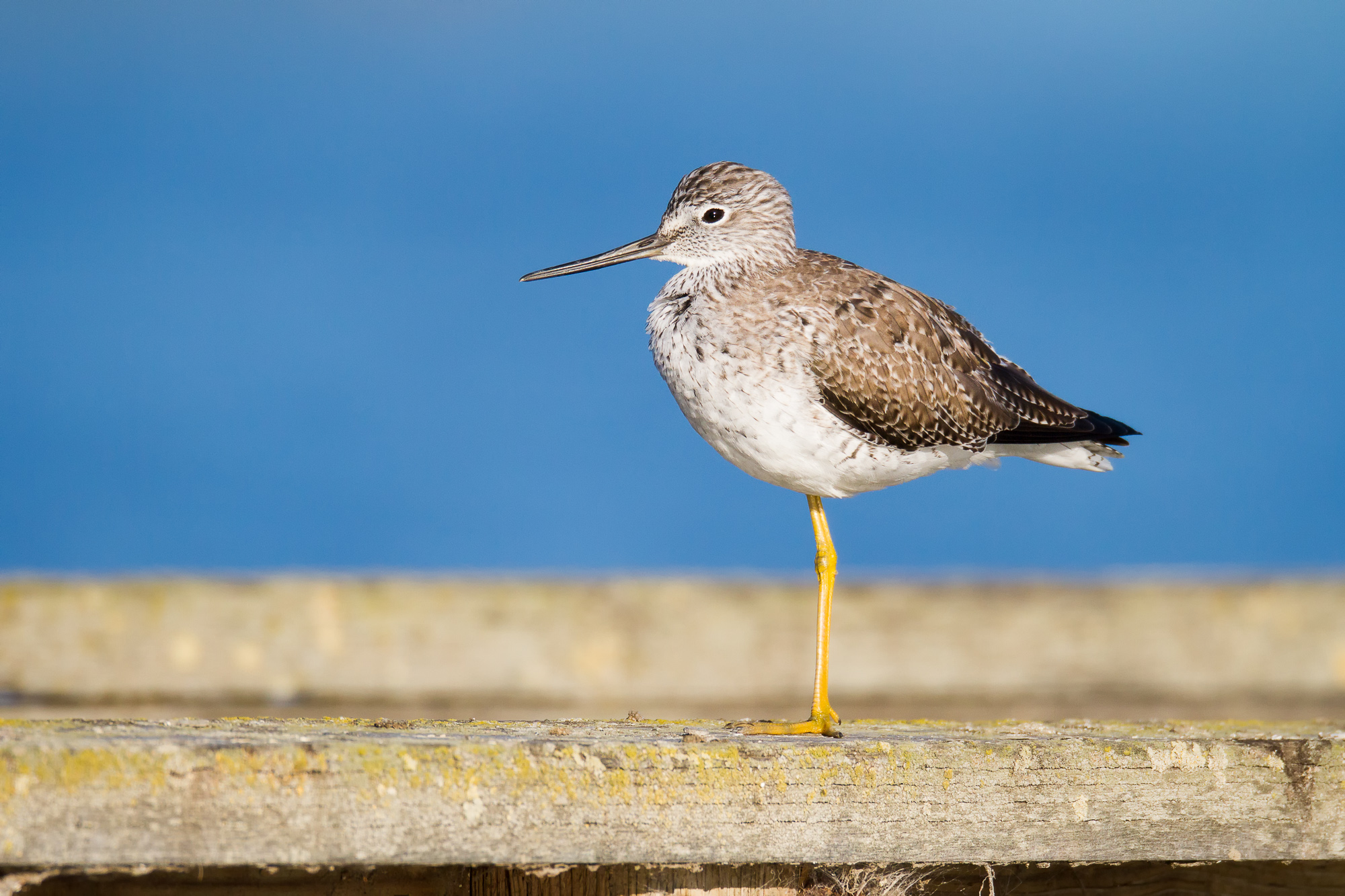
In the photos below, I first photographed the greater yellowlegs with the shoreline of a lake as the background. The background blurred to a nice tan-brown. I then changed my angle by swinging around to the left, and now the lake was behind the bird, coloring the background in a blue wash.

A greater yellowlegs stands on the railing of a dock.  The background color comes from a distant shoreline behind the dock.
A greater yellowlegs stands on the railing of a dock. The background color comes from a distant shoreline behind the dock.
A greater yellowlegs stands on the railing of a dock.  The background color comes from a lake behind the dock.
A greater yellowlegs stands on the railing of a dock. The background color comes from a lake behind the dock.

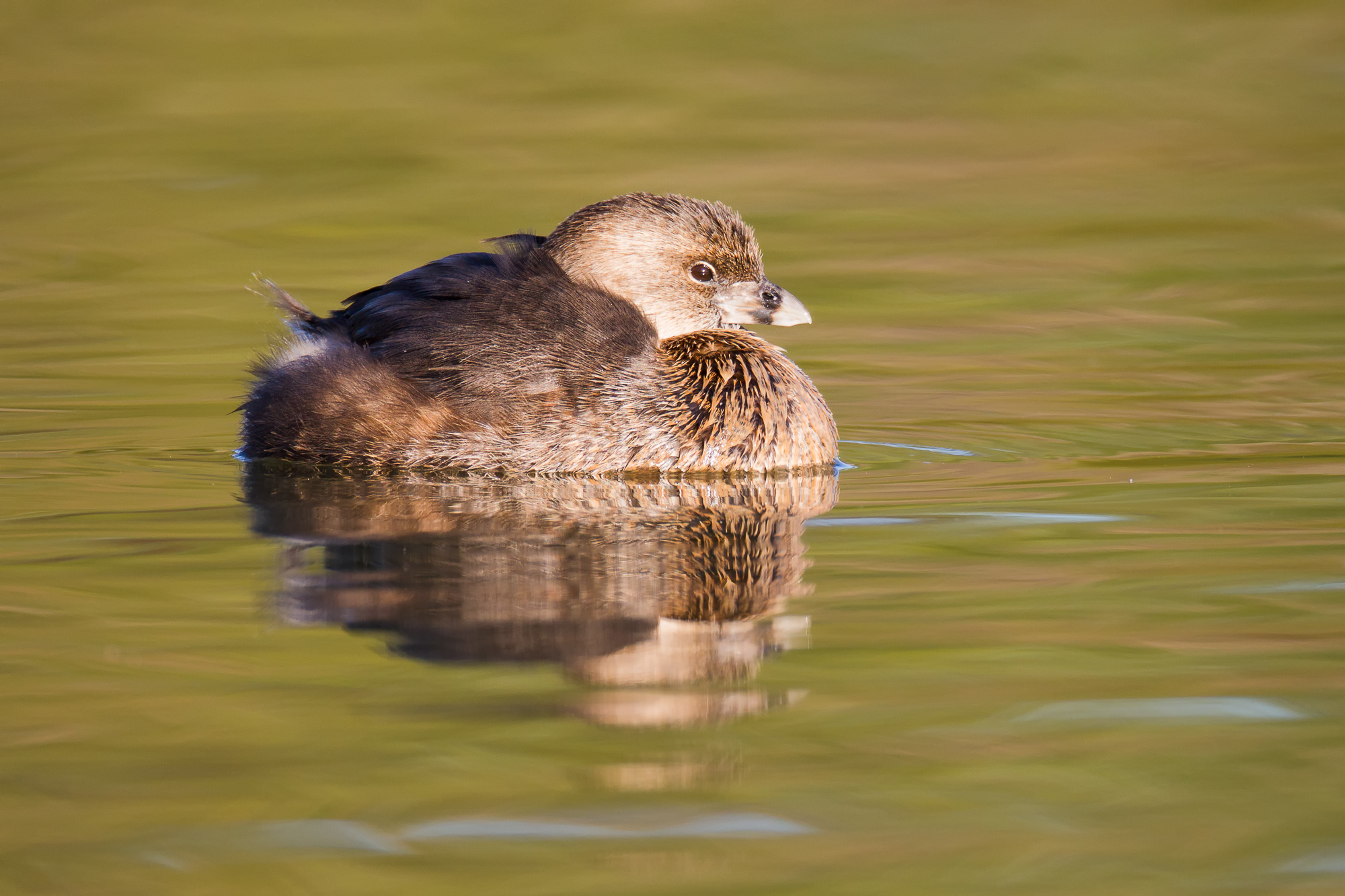
You can achieve similar color changes using reflection (and patience) as well. In the photos below, I didn’t change my position, but just waited for the bird to move instead. When I first photographed this pied-billed grebe, it was fishing and diving close to shore. The colors of the shoreline were reflected in the surface of the water, contributing dominant oranges to the photograph. I knew that this bird was likely to move away from the shore eventually, so I sat a waiting, hoping to capture that color variety. I didn’t have to wait long before this happened, with an added bonus of the grebe moving closer to me, filling my frame. The blue sky reflected off the water, giving the photo an entirely different look.

A pied-billed grebe is reflected in the still water near the shore of a lake.  The color reflected in the water comes from the nearby shore.
A pied-billed grebe is reflected in the still water near the shore of a lake. The color reflected in the water comes from the nearby shore.
A pied-billed grebe is reflected in the still water near the shore of a lake.  The color reflected in the water comes from the sky, turning it blue.
A pied-billed grebe is reflected in the still water near the shore of a lake. The color reflected in the water comes from the sky, turning it blue.

The next time you’re out photographing with a longer lens (depending on your subject, anything over 100mm can work well), think about trying different backgrounds with your subject. This works great on people pictures as well!

2012 Round-up – Top 40 photos of the year

It is once again that time of year where we assemble compilations of the best and worst of the previous 12 months. Here are the results of culling through my many photos from 2012. Looking back it was a nice mixture of birds, wildlife, and landscapes. I had great photo trips to Death Valley and Grand Teton National Parks, but didn’t spend quite as much time in the High Sierra as I would have liked. Please enjoy the gallery below. For best viewing (especially if viewing on a mobile device), please click on the following photo:

Click the photo above to see the top picks from 2012!

Or, just enjoy the gallery here on the page. To view larger photos in the embedded gallery below, be sure to click the icon in the lower right corner to enter full screen mode.


Hank’s Picks 2012 – Images by Hank Christensen

If you are interested in compilations from previous years, please see the 2011 and 2010 lists.

Copyright 2017 Hank Christensen