
Canon 5DSR For Bird Photography?

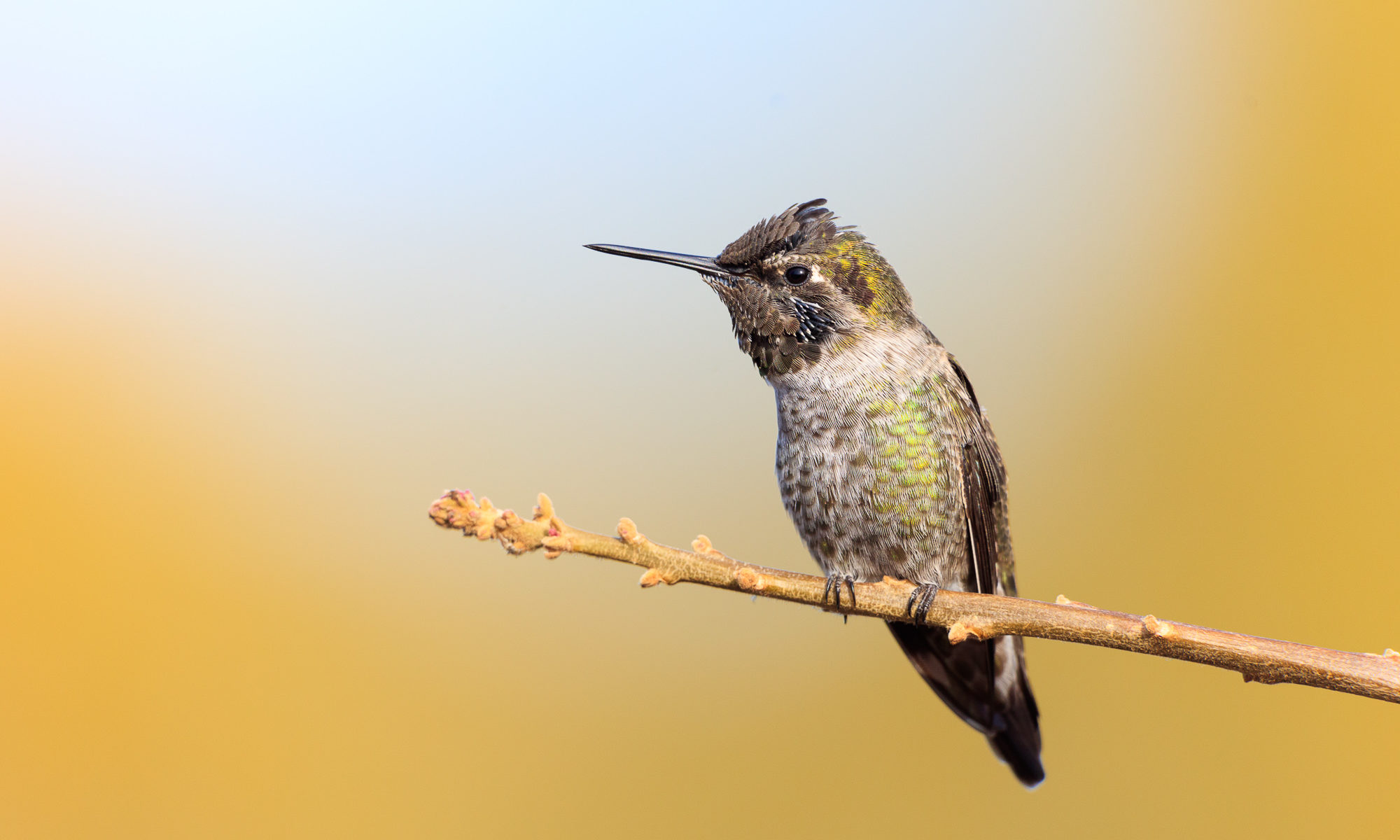
An anna's hummingbird perches on a thin branch, Belmont, CA

After fussing between either upgrading my next landscape camera to either a Sony A7RII or a Canon 5DSR (I’ll cover that saga in a future post), I finally pulled the trigger and received my new Canon this weekend. While I’ll primary use this 50 mega pixel monster for large resolution landscape images (wall sized prints, anyone?), I wanted to see if/how it would handle (albeit simple) bird photography. After spending a half hour with it in my front yard, chimping on the rear LCD, I was blown away.
An anna's hummingbird perches on a thin branch, Belmont, CA
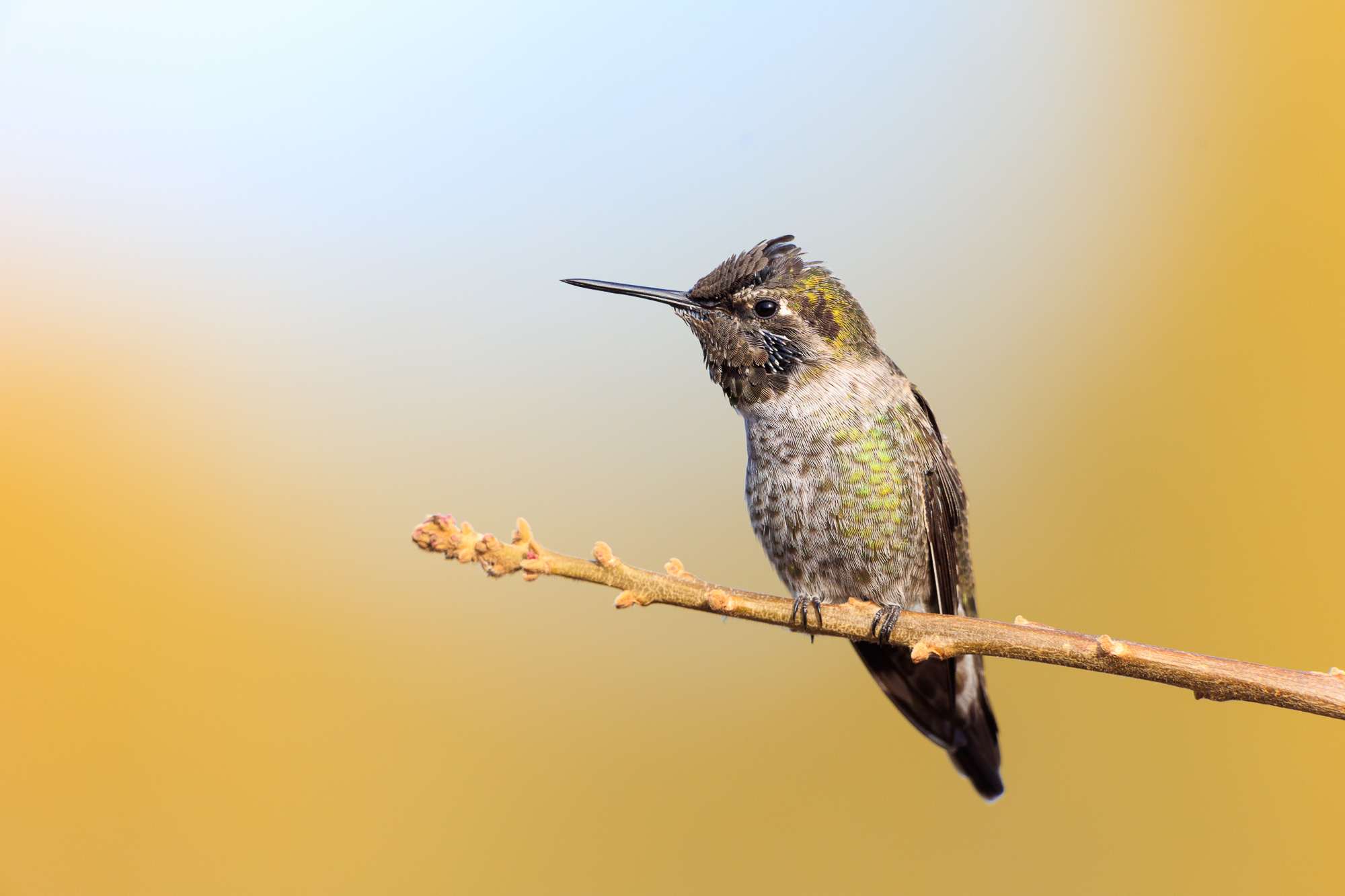
An anna’s hummingbird perches on a thin branch, Belmont, CA

First of all, the auto-focus is fast and accurate – exactly what you’d expect from such an expensive camera. Maximum frame rate is low due to the huge image size, but that is not a concern with its intended use (my typical landscape frame rate is about 1 shot per minute!) The noise level looks better than my 7D Mk II, which is great given the pixel density of the sensor. All images in this post were shot at ISO 500 with no noise reduction – buttery smooth backgrounds.

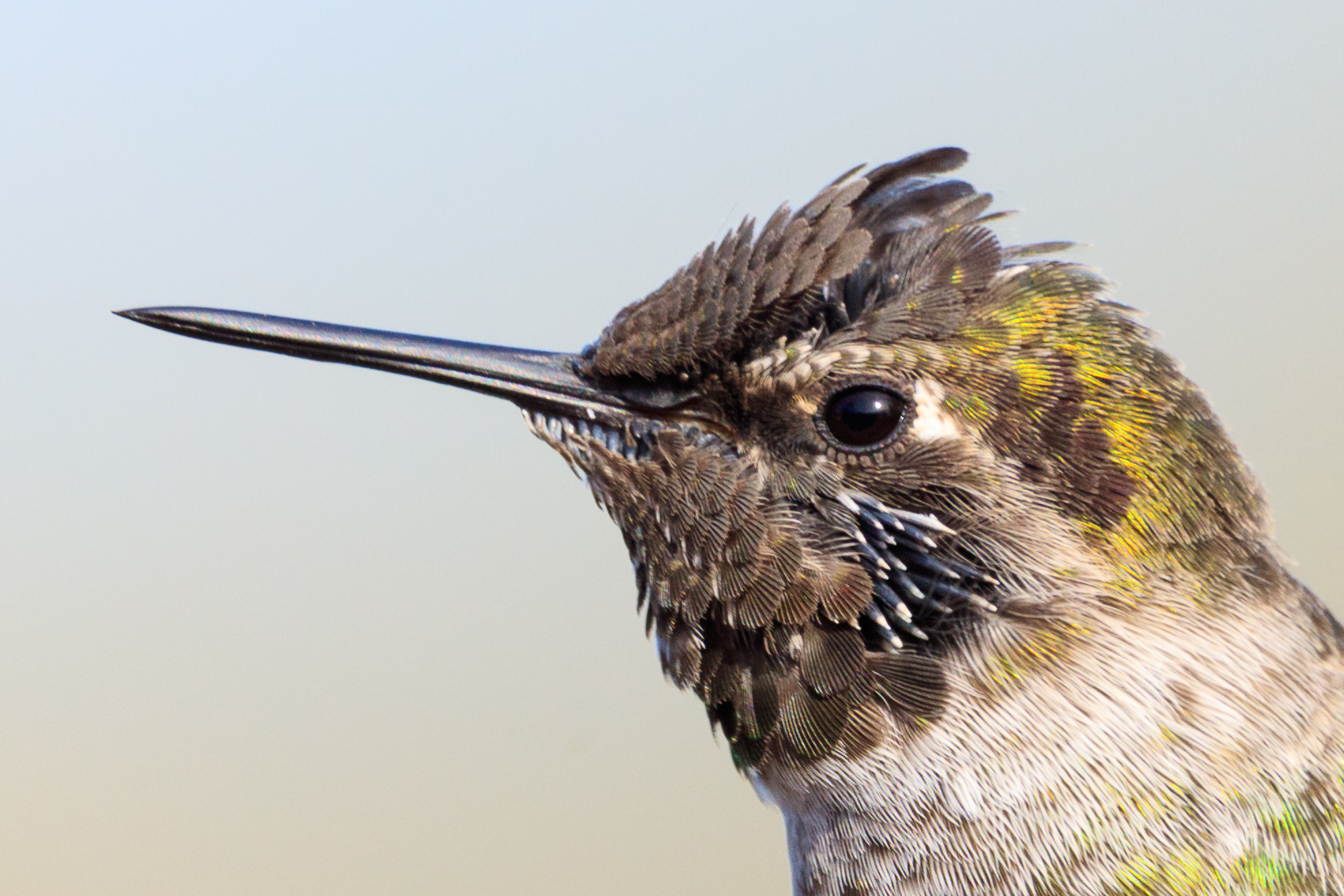
But where this camera really shines is its gigantic 50 MP sensor – this largest ever released for a 35mm DSLR. Even better than just packing in so many pixels however, is the fact that at 1:1 zoom, the details are tack sharp. Below is a 1:1 crop of the above image.
Headshot portrait of an anna's hummingbird, Belmont, CA
Headshot portrait of an anna’s hummingbird, Belmont, CA

As you can see, the details are extremely sharp. I’ve seen other sensors that look sharp right out of the camera, but once you zoom in to 1:1, the details are a bit mushy.
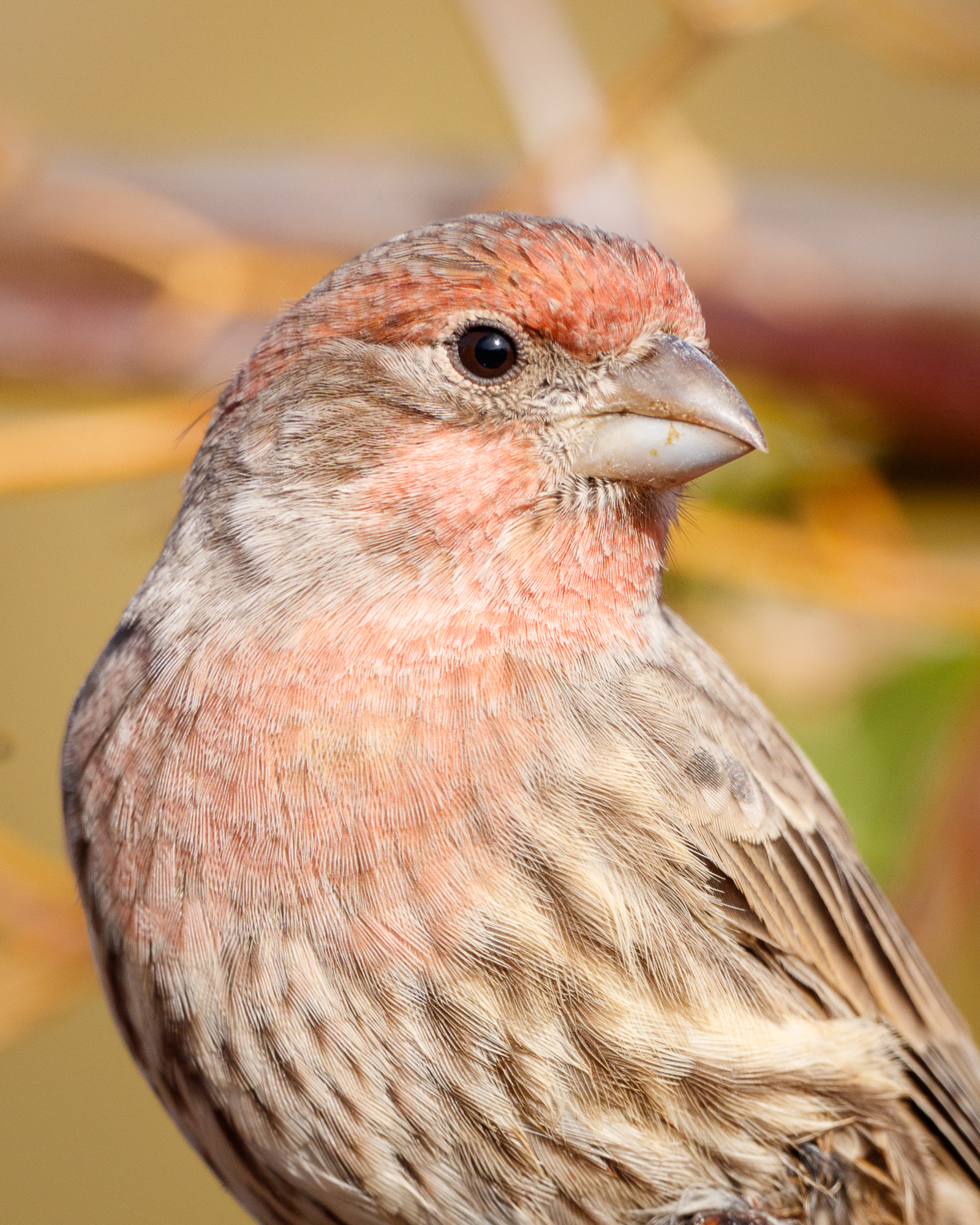
Head and shoulders portrait of a house finch, Belmont, CA

If I’m not concerned about printing wall size, the vast amount of resolution I have at my disposal opens up new cropping opportunities. Here I’ve included a few more yard birds I shot during my morning test. I’ve given each a massive crop to see what kinds of portraits I could create with these tiny birds, without having to shoot them with a macro lens (which would be nearly impossible with these fast movers).
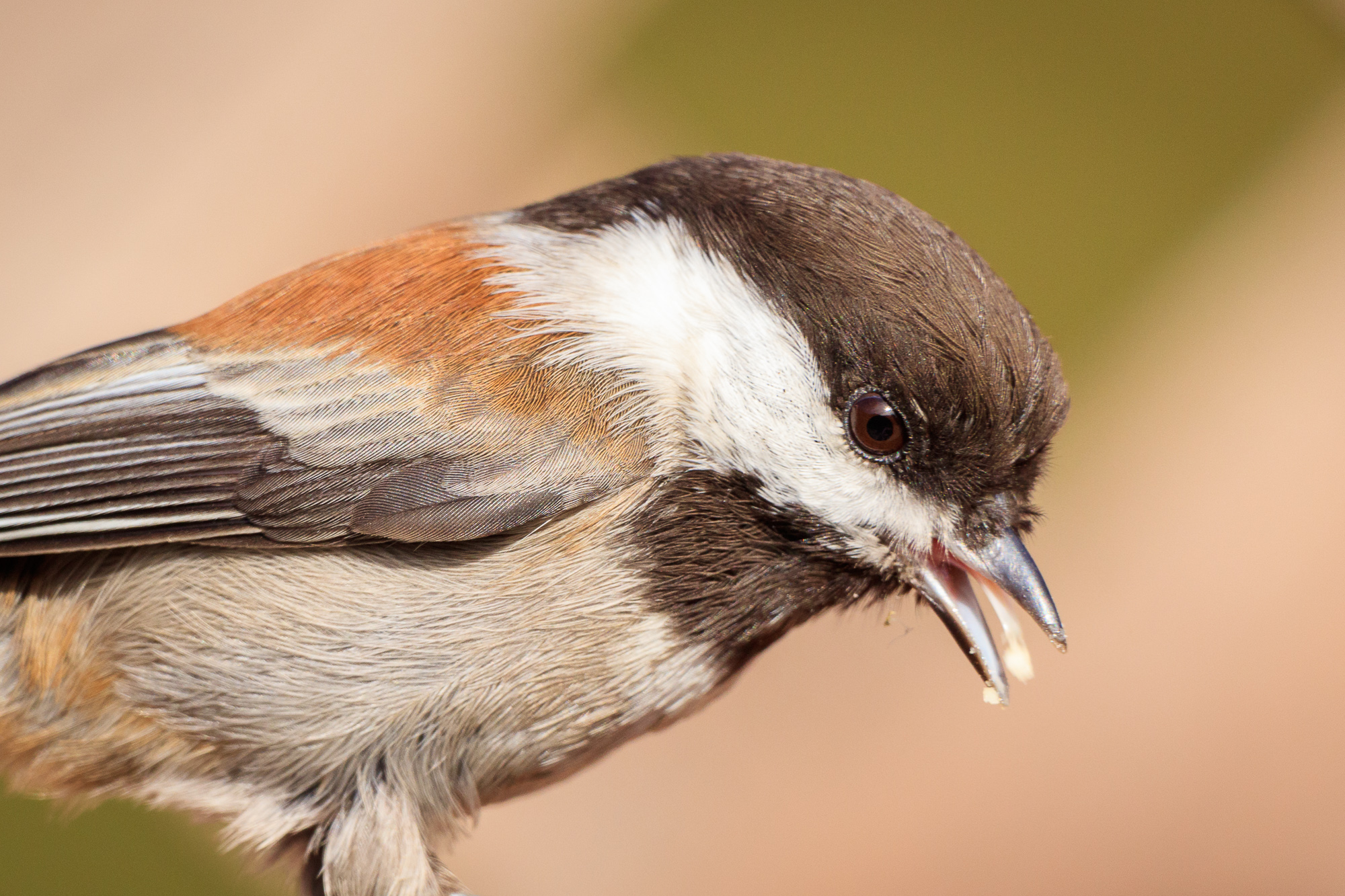
A chestnut-backed chickadee finishes eating seed, Belmont, CA

The main areas that will limit this camera as a great bird photography setup is a low frame rate and full frame sensor. But with patience and careful technique, it could produce some amazing results. I’ll see what it can pull off for birds in flight in the future.
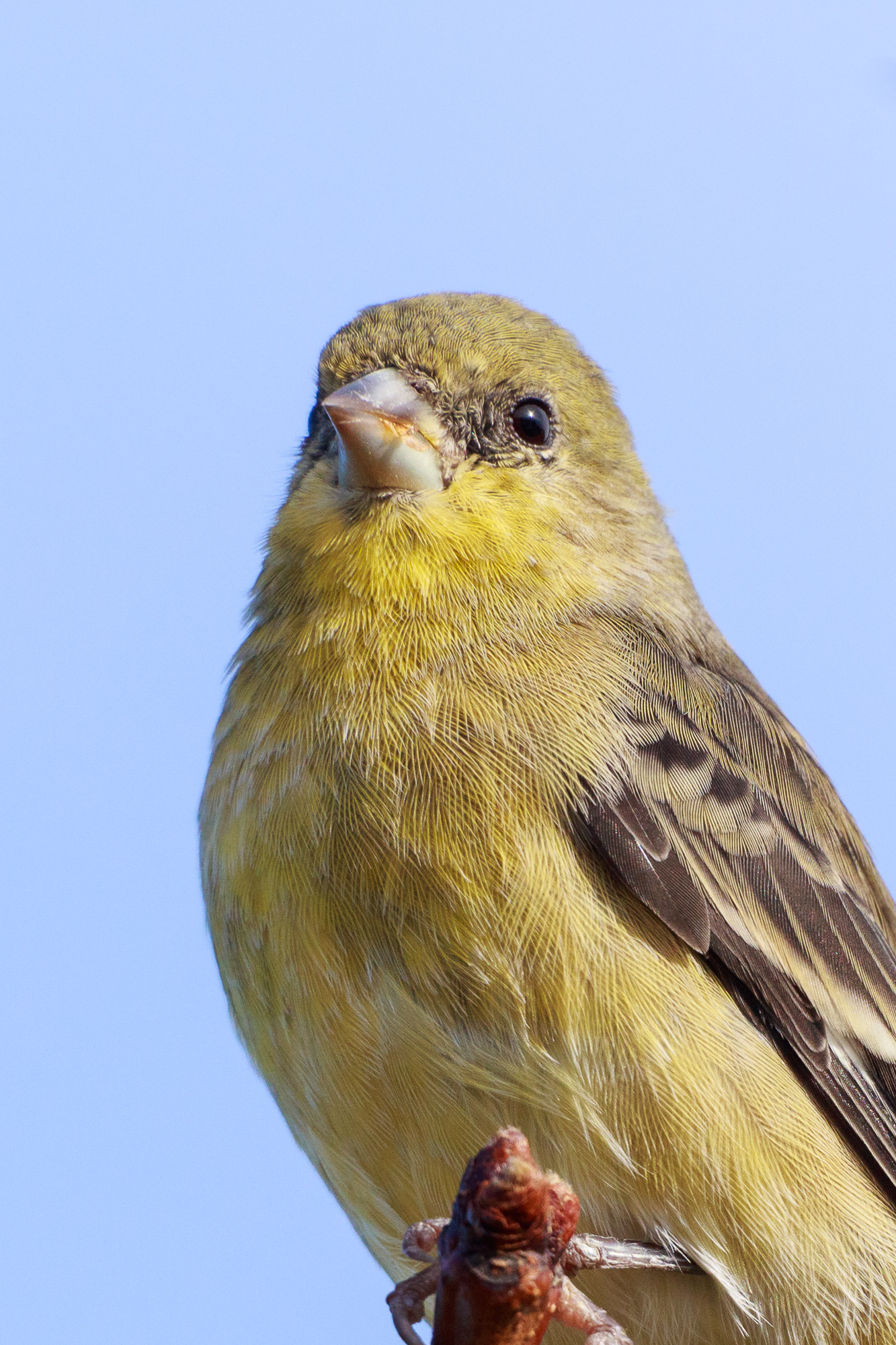
A lesser goldfinch perches on a narrow branch, Belmont, CA

Previously I’ve only been able to get head-and-shoulder portraits with much larger birds. But these tests tell me that I’ll likely be bringing this camera along on my next bird shoot. It won’t replace my primary body for now, but if I come across a docile bird that lets me get relatively close, I’m definitely going to pull out my 5DSR and capture some of those insane details this camera is able to resolve.

Pied Kingfisher

A pied kingfisher perches on a narrow branch above a small lake, Ranganathittu Bird Sanctuary, India

On a recent trip to India, I managed to get photos of several new birds. The very first that I photographed in the country was this pied kingfisher, one of my target species. My friend Gaurav showed me around one of his local haunts, and within ten minutes, I had several hundred photos of this kingfisher under my belt. In fact, at one point, we got too close to the bird for my lens to focus.

Gaurav had taken me to Ranganathittu Bird Sanctuary just outside of Mysore. As it was off-season, there were very few people around (great for bird photography), but there were also fewer birds than normal (not great for bird photography). Even given the that there were fewer birds than during peak migration, I was in photography heaven. Everywhere I turned there were new species to photograph. In order to get out into the middle of the action, we hired a guide and a rowboat for an hour, getting us within feet of many new and exotic birds.

A pied kingfisher perches on a narrow branch above a small lake, Ranganathittu Bird Sanctuary, India

The pied kingfisher is the world’s third most common kingfisher, widely distributed across Africa and Asia. This species typically does not migrate, which is why it was see here out of season. This particular specimen likely lived at this lake year round. In the US, I am more used to the belted kingfisher, which is usually quite shy and difficult to photograph without spooking it. By contrast, the pied kingfisher was bold and didn’t leave the tree the entire time we were photographing it, offering many great poses.

While this bird is by no means a rare find, I felt honored to spend a little time with this little one. Any time I get a chance to capture great photographs of a new species, I am more than satisfied with the day’s outing.

Great Kiskadee

A great kiskadee perches on a narrow branch high above the ground, Puerto Vallarta, Mexico

I photographed several great kiskadee when I was in Mexico at the beginning of the year. These are large flycatchers, prevalent throughout Latin America. Most of the time I saw them high in the treetops, but after a bit of patience, I was able to photograph several in the lower branches.

A great kiskadee perches in a tree high above the ground, Puerto Vallarta, Mexico

Regardless of the pose, the best photos are captured with a catch-light in the bird’s eye. This brings a sense of life to the bird, and creates a more pleasing photo.

Both photos were shot with the great Canon EF 100-400mm lens. It is not the fastest out there (f/5.6), but when used correctly, it can produce fantastic results.

Common Murre

A common murre perches atop a rock along a southern Oregon beach

I photographed this common murre in Oregon on an early spring trip geared toward landscape photography. Although I did bring my wildlife lenses with me, I happened not to have them down on the beach the day I saw this little guy. My longest lens in my bag was a 70-200 on a full frame camera.

The common murre only comes to shore to breed, and this one can be seen in breeding plumage. Once these birds breed, both the male and female molt, rendering them flightless for one to two months. I’m not sure if this one had been through this molting yet, but he seemed quite content just to hang out on his rock.

After seeing this murre standing on a small rock, the first thing I did was creep around to the south to approach him with the sun at my back. This made the bird front lit, which is the typical lighting necessary to create a pleasing bird portrait. Once I had the angle of light correct, I began to creep toward my subject (partially to compensate for my short focal length I had available) in a low crouch. I moved very carefully, only creeping forward a few inches when he was looking away. As usual, I balanced my desire to get as close as possible with the bird’s comfort zone.

After taking several photographs at the distance with which I was comfortable, I backed up slowly the way I had come. It is always better to leave your subject undisturbed than to selfishly stand up after you have your desired shots and risk flushing the bird.

Copyright 2017 Hank Christensen